



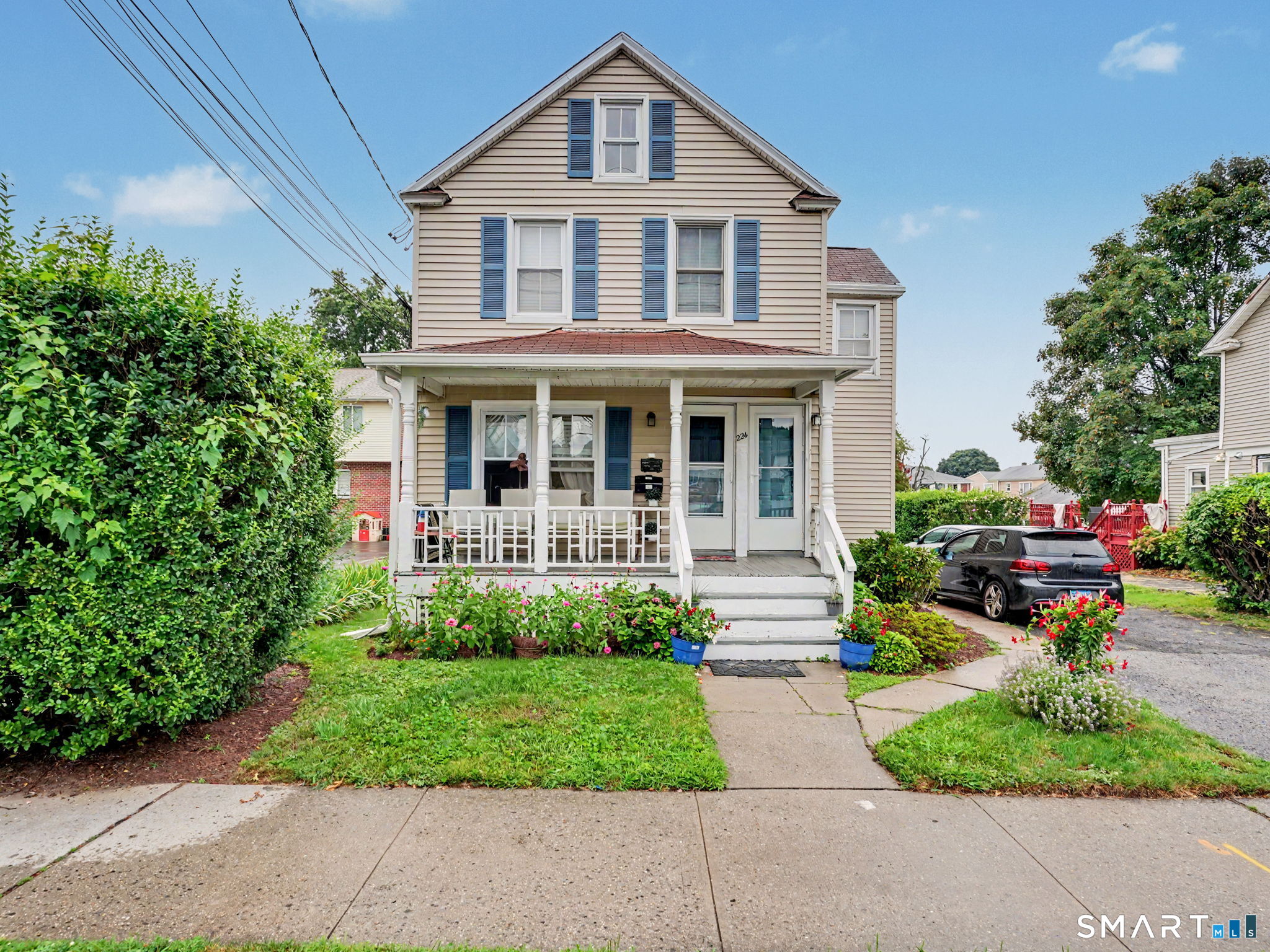
Buying a home in West Hartford involves more than finding an appealing kitchen or a freshly painted living room. The best choice is one that supports real weekday life, including work trips, school routines, errands, storage needs, outdoor upkeep, and time with family or friends. For a local perspective during that process, the West Hartford real estate experts Gagliardi Team offer property-search tools, neighborhood information, and buying and selling guidance for West Hartford and surrounding Connecticut communities, including parts of the Farmington Valley. Based in West Hartford and led by founder Dawn Gagliardi, the Gagliardi Team brings local market familiarity and client-focused real estate advising to buyers weighing both a home and its setting.
West Hartford buyers may compare older homes with established character, condominiums with association rules, and properties with differing lot sizes or renovation histories. Listing photos helps narrow the search, but they cannot show how a driveway functions after snowfall, whether a basement feels dry, or how long a daily trip takes at a busy hour. A practical checklist keeps those questions at the center of the decision.
Step One: Set a Comfortable Budget
A lender’s preapproval amount is an important starting point, but it does not automatically define a comfortable purchase price. Your monthly housing cost should leave room for ordinary expenses, savings, repairs, and the life you want to maintain after closing. The full monthly payment should be considered before you become attached to a particular property.
Build a monthly estimate that includes:
- Mortgage principal and interest
- Property taxes
- Homeowners insurance
- Utilities and routine maintenance
- Condominium or homeowners association fees, when applicable
- Expected repairs and emergency savings
- Moving costs, furnishings, and closing expenses
For example, choosing a slightly smaller home may preserve money for roof repairs, travel, childcare, retirement savings, or the projects that make a home feel personal over time. A payment that fits only under ideal conditions can create unnecessary pressure later.
Step Two: Separate Must-Haves From Nice-To-Haves
Before touring homes, divide your wish list into requirements and preferences. This prevents attractive finishes from overshadowing needs that are difficult, expensive, or impossible to change after purchase.
Must-Haves
- A minimum number of bedrooms and bathrooms
- A maximum acceptable commute or travel time
- School, transportation, or caregiving needs
- Accessibility features or a layout suitable for one-floor living
- A maximum monthly housing cost
- Enough space for work, hobbies, pets, or frequent guests
Nice-To-Haves
- Updated countertops or designer finishes
- A finished basement
- A large deck, pool, or outdoor kitchen
- Smart-home systems
- Newer appliances
A home can be a strong fit without every preference. Prioritizing the features that affect daily function helps buyers recognize a good opportunity when they see one.
Step Three: Compare Neighborhood Fit
West Hartford has distinct areas and housing styles, so buyers should assess location based on their own routines rather than reputation alone. A charming street may be perfect for one household and inconvenient for another.
- Travel time to work, school, family, and regular appointments
- Access to grocery stores, pharmacies, medical care, and everyday services
- Nearby parks, trails, libraries, recreation, and gathering places
- Traffic patterns, street parking, driveway access, and pedestrian activity
- Noise during mornings, evenings, and weekends
- Public transportation options and highway access
- Planned development, construction, or zoning activity nearby
Visit a neighborhood more than once. A quiet afternoon can look very different during weekday drop-off times, commuter traffic, or a winter storm. If possible, park nearby, walk a few blocks, and test the route you would actually use.
Step Four: Check the Home’s Condition
A showing is not a substitute for an inspection, but it is a chance to notice details and prepare better questions. Pay attention to the age and visible condition of major systems, especially in homes that have been updated in stages.
- Roof age and visible wear
- Heating, cooling, and water-heating equipment
- Moisture marks in ceilings, basements, and beneath sinks
- Window condition, drafts, and signs of water intrusion
- Drainage around the foundation and grading near the home
- Electrical panels and visible wiring
- Attic access, basement usability, and practical storage
- Cell service and internet options
An independent inspection can provide a more detailed review before you move forward. The homebuying steps outlined by the U.S. Department of Housing and Urban Development also emphasize affordability, inspections, insurance, and careful review before signing closing documents.
Step Five: Review Location-Specific Risks
Some costs and limitations are tied to the property rather than the floor plan. Ask direct questions, review available disclosures and records, and consider how local conditions could affect maintenance, insurance, or resale.
- Flood exposure, drainage, and past water concerns
- Snow removal responsibilities for sidewalks, driveways, or shared areas
- Private wells, septic systems, or older underground infrastructure
- Insurance availability and estimated premiums
- Historic district requirements or preservation restrictions
- Shared driveways, easements, covenants, or association rules
Step Six: Build a Simple Home-Comparison Scorecard
After each showing, rate the property from one to five in the following categories:
- Monthly affordability
- Location and commute
- Layout and usable space
- Condition and likely repair needs
- Neighborhood feel
- Future flexibility
- Resale considerations
Add a short note beside every score. “Excellent yard, limited storage” or “easy commute, aging mechanicals” is more useful than trying to remember a general feeling after touring several homes.
Questions to Ask Before Making an Offer
- How long has the property been on the market?
- Have there been recent price changes?
- Which major systems have been replaced, and when?
- Are there known water, foundation, roof, or drainage concerns?
- What are the typical utility costs?
- Are there association rules, fees, or possible assessments?
- Which appliances, fixtures, or other items remain with the home?
- Are nearby developments or construction projects planned?
- Which contingencies are appropriate for the offer?
Common Homebuying Mistakes to Avoid
- Choosing based only on appearance
- Ignoring taxes, insurance, utilities, and maintenance
- Skipping neighborhood visits during busy hours
- Overlooking restrictions or shared-property arrangements
- Assuming every renovation adds equal value
- Making an offer before reviewing the complete budget
- Waiving important protections without professional advice
A Final West Hartford Homebuyer Checklist
- Confirm that the monthly payment fits your full household budget.
- Review taxes, insurance, fees, utilities, and likely maintenance costs.
- Visit the neighborhood at different times and on different days.
- Compare the home’s condition with its price and your repair tolerance.
- Check commute routes, nearby services, recreation, and future needs.
- Ask about property history, restrictions, repairs, and local risks.
- Schedule an independent inspection when appropriate.
- Review offer terms and contingencies before signing.
Conclusion
The best West Hartford home is not always the largest, newest, or most visually impressive option. It is the one that supports daily life while leaving room for financial stability and future change. By comparing the full picture, from location and layout to maintenance and monthly cost, buyers can make a more confident decision long after moving day.


