

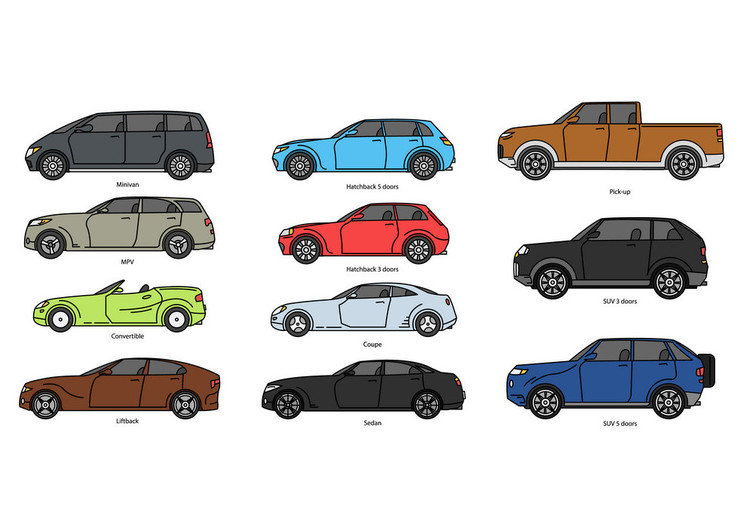
Choosing between a sedan, hatchback, and SUV starts with the way you actually live, drive, park, and carry passengers. Rather than selecting a vehicle based only on appearance or popularity, focus on the daily details that affect comfort and cost. If you are beginning to compare body styles and available models, learn more about options that may fit your routine.
The right vehicle should make ordinary trips easier, whether that means a smooth highway commute, convenient school drop-offs, room for groceries, or confidence on uneven roads. A thoughtful comparison can help you avoid paying for space, power, or features you rarely use.
Start With Daily Needs
Before narrowing your search, picture a normal week behind the wheel. Consider your commute distance, the number of people who ride with you most often, parking conditions, usual cargo, road quality, and weekend plans. A vehicle that looks perfect in a showroom may be frustrating if it barely fits your garage, makes tight parking stressful, or cannot hold the items you carry regularly.
Ask yourself a few direct questions. Do you usually drive alone or carry children and adults? Do you need space for a stroller, sports equipment, work tools, or a large grocery run? Is ground clearance truly necessary, or do you spend nearly all your time on paved roads? Your answers will quickly reveal which compromises are acceptable.
When a Sedan Makes Sense
A sedan remains a practical choice for solo drivers, couples, and many small families. Its lower seating position often creates a planted, comfortable feel on the highway, while its narrower shape can make city driving and parking less demanding. A separate trunk also keeps luggage and personal belongings out of sight.
Benefits of a Sedan
- Easy maneuvering in garages, parking lots, and crowded streets.
- Often efficient because of lower weight and a more streamlined shape.
- A comfortable ride for commuting and longer highway trips.
- A dedicated trunk that separates cargo from the passenger cabin.
The main limitation is cargo shape. A sedan trunk may hold several bags, but struggles with tall plants, bulky furniture boxes, or larger recreational gear. Rear-seat room also varies considerably, so adults or child seats should be tested in person before deciding.
When a Hatchback Makes Sense
A hatchback is a strong middle ground for drivers who want car-like handling but need more adaptable storage. The rear liftgate and folding rear seats make it easier to load awkward items than a conventional trunk. For city residents, students, commuters, and small households, that flexibility can be valuable without moving up to a larger SUV.
Published cargo measurements are useful, but they do not tell the full story. Check the width of the opening, height of the load floor, roofline, and space behind the rear seats. Bring a suitcase, stroller, or other regularly used item to see whether it fits easily.
When an SUV Makes Sense
SUVs range from small crossovers to large three-row family vehicles, so they should not be treated as one category. A small SUV may offer only a modest space advantage over a hatchback, while a midsize or three-row SUV can provide meaningful passenger room, cargo capacity, and towing capability.
Reasons to Consider an SUV
- Higher seating may make entry and exit easier for some drivers.
- Fold-flat seating can create a useful area for larger loads.
- Many models provide easier rear-seat access for families.
- An available all-wheel drive can help with traction in certain weather and road conditions.
- Three-row models can accommodate larger families more comfortably.
Extra capability also brings trade-offs. Larger SUVs can consume more fuel, cost more to insure, and require more effort to park. All-wheel drive can help a vehicle accelerate on slick surfaces, but it does not replace proper tires, safe following distances, or careful braking.
Compare Fuel, Insurance, and Maintenance Costs
Look beyond the purchase price and monthly payment. Estimate annual fuel expense by dividing your yearly mileage by the vehicle’s combined fuel-economy rating, then multiplying the result by your expected fuel price. Real-world results can change with traffic, weather, cargo, tire pressure, and driving habits. The federal guidance on driving more efficiently also shows why the same vehicle can deliver different results for different owners.
Request insurance quotes using the exact trim level and VIN when possible. Also review tire sizes, replacement prices, maintenance intervals, warranty coverage, registration fees, and expected repair needs. A lower-priced vehicle is not automatically the lower-cost choice over several years of ownership.
Check Safety Beyond Features
A long feature list does not guarantee stronger protection. Compare crashworthiness, crash-avoidance performance, headlights, visibility, rear-seat reminders, and child-seat anchor access. You can review how specific models perform by checking vehicle safety ratings by make and model before visiting a dealership.
Automatic emergency braking, blind-spot monitoring, rear cross-traffic alerts, and lane-support systems can be helpful, but controls should be easy to understand and not distracting. Clear outward visibility matters too. Sit in the driver’s seat and check your view through the windshield, side windows, mirrors, and rear glass.
Use the Test Drive as a Real-World Trial
A useful test drive is more than a quick loop around the block. Adjust the seat and steering wheel, check rear-seat legroom, load regular cargo, and drive on both neighborhood streets and faster roads if possible. Practice parking, reversing, and making a tight turn. Spend enough time in the vehicle to notice seat comfort, road noise, climate-control usability, phone connection quality, and the behavior of driver-assistance alerts.
A Simple Vehicle Choice Checklist
Rate each contender from one to five in the areas that matter most to you:
- Passenger comfort and rear-seat access
- Cargo usefulness and loading convenience
- Fuel economy and routine operating costs
- Parking ease and visibility
- Safety performance and helpful technology
- Ride quality, purchase price, and insurance cost
Give added weight to the categories you use every day. A highway commuter may prioritize comfort and fuel use, while an active family may value rear-seat access and cargo flexibility. Nobody’s body style wins for everyone. The best 2026 choice is the vehicle that fits your real needs, feels comfortable to drive, and stays within your long-term budget.
