

Online publishing can look like a low-cost way to build a business, but a website rarely becomes dependable income through one tactic alone. Search traffic can fluctuate, advertising rates change, and audience interests move on. A stronger approach combines useful content, well-chosen publishing partnerships, and revenue sources that suit the readers you already serve. That calls for planning: each article should help its audience while contributing to a broader, sustainable strategy.
Start With a Clear Audience
Before choosing topics or income streams, define who the site is for. A broad publication may cover health, general interest, and media, but individual articles still need a specific reader in mind. Someone researching pet care, for example, has different questions from a freelancer comparing marketplaces or a small business owner exploring online promotion.
Use reader questions, search trends, and feedback to identify useful subjects. Then develop a few related themes rather than publishing disconnected posts. A focused group of articles can serve readers more effectively, make the site easier to navigate, and help editors decide which partnerships are relevant.
Make Each Article Earn Its Place
Useful content is the foundation of a publishing business. It answers a real question, explains trade-offs, and gives readers a practical next step. That does not mean every post needs to be a lengthy guide. A concise comparison, checklist, or explanation can be valuable if it is accurate and specific.
For example, a site covering pets might publish advice on choosing a first veterinarian, preparing for a new animal, or understanding routine care costs. When looking for suitable places to share specialist writing, publishers can browse animals and pets guest-posting websites to find outlets that accept relevant contributions. Before pitching, check each publication’s audience, editorial standards, and submission requirements. A relevant placement can introduce your work to new readers, but its value depends on the quality and fit of the article—not simply the presence of a link.
Use Partnerships Selectively
Guest articles and collaborations can extend a publisher’s reach beyond its own site. They work best when the subject matches the host publication and offers something its audience cannot get from a generic sales pitch. A useful contribution might share original experience, explain a process, or clarify a common misconception.
Choose opportunities with care. Look at the site’s recent content, audience engagement, and tone. Confirm whether it accepts outside writers and what it expects regarding originality, links, and author information. Keep a record of pitches, publication dates, and referral traffic so you can judge which relationships are worth maintaining.
Build More Than One Revenue Stream
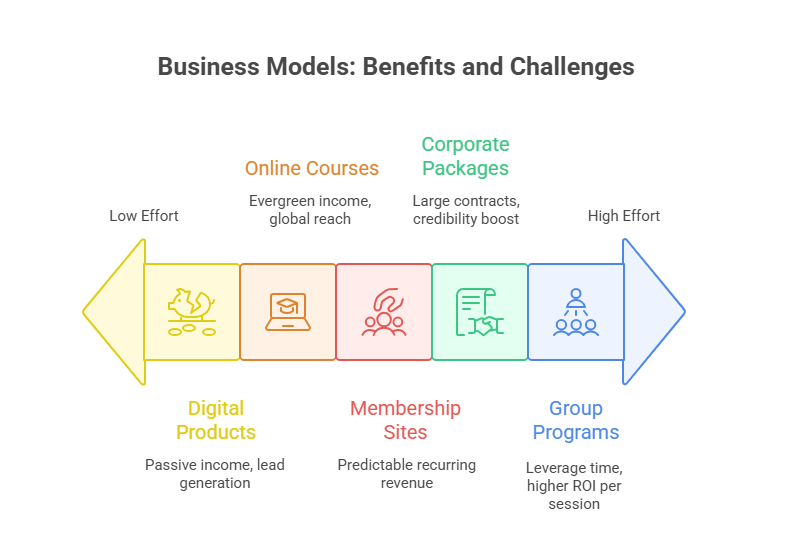
Advertising is familiar, but it is not the only way a website can generate income. Depending on the subject and audience, publishers may consider paid subscriptions, digital products, consulting, sponsorships, or affiliate programs. Each option has different demands. A product requires development and customer support; a subscription depends on continuing value; and affiliate income relies on recommendations that readers find genuinely useful.
Do not add a revenue stream just because it is popular. Consider whether it fits the audience and whether you can explain the arrangement clearly. Trust is an asset: if every article feels designed to sell something, readers may stop relying on the site for impartial guidance.
Understand Affiliate Earnings Before Promoting
Affiliate marketing can make sense when readers already need a service that fits the site’s subject. For instance, a publication serving independent professionals might discuss tools that help with creative or technical projects. A freelance marketplace lets buyers hire freelancers across categories such as design, writing, programming, and marketing, while freelancers can offer their services to clients.
Before joining a program, review how referrals are tracked, what actions qualify for commission, how and when payments are made, and whether there are limits. The Osdire affiliate program details describe a structure that includes affiliate commission on first orders, along with commissions connected to freelancer sales. Reading the terms helps a publisher assess whether the arrangement suits their audience and expectations. Clear pricing and a defined order process may be useful context for readers, but recommendations should still be based on relevance rather than commission alone.
Measure Results, Not Just Activity
Publishing more does not automatically mean a site is growing. Track indicators that connect effort to outcomes: returning visitors, email sign-ups, engagement with key articles, referral traffic, and revenue by source. For guest contributions, note whether a placement brings qualified readers or simply a brief spike in visits.
Give each experiment enough time to produce meaningful evidence. A single week of low traffic may not prove a topic has failed, while consistent engagement across several months can justify investing in a content series. Review results regularly and adjust the editorial calendar accordingly.
Protect Reader Trust as You Grow
Strong publishing businesses are built through consistency. Keep information current, distinguish facts from opinion, and make commercial relationships understandable to readers. When discussing health or other sensitive topics, use careful language and encourage readers to seek qualified professional advice when appropriate.
Growth is more durable when each element supports the others: helpful articles attract the right readers, relevant partnerships broaden reach, and carefully chosen revenue streams support ongoing work. A measured strategy may take time, but it gives a publication a better chance of serving its audience without relying on a single source of traffic or income.
