

Key Takeaways
- Define how you plan to use the home, whether as a full-time residence, a vacation retreat, a retirement property, or a rental.
- Evaluate road conditions, driveway access, snow removal, and year-round travel before making an offer.
- Inspect essential systems, including water, septic, heating, power, internet, roofing, and drainage.
- Review insurance availability, wildfire exposure, zoning, HOA requirements, and rental restrictions early.
- Build a complete ownership budget that includes utilities, snow removal, maintenance, repairs, and property management.
- Use a consistent showing scorecard and due-diligence timeline to compare properties beyond their views and architectural features.
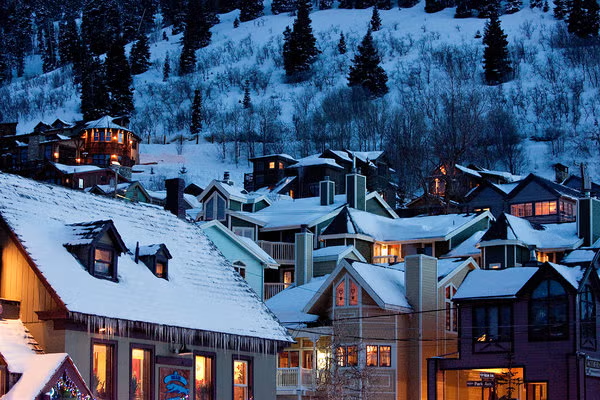
A mountain home in Park City can offer ski access, trail connections, expansive views, and a very different daily rhythm from a typical suburban property. It can also bring practical questions about steep roads, snow storage, utility systems, insurance, maintenance, and the time required to reach everyday services.
For buyers evaluating those trade-offs, Park City UT real estate agent Richard Taleghani provides local real estate guidance through a website focused on home searches, neighborhood information, property valuation, and luxury mountain communities. Richard Taleghani brings experience in Park City, Deer Valley, The Colony, Deer Crest, and Promontory, making his perspective useful when comparing the lifestyle and property differences across the area.
Decide How You Will Use the Home
Start with the role the property will play in your life. A full-time residence needs reliable internet, practical grocery access, healthcare options, and a manageable commute. A weekend retreat may place more value on privacy, ski access, views, and low-maintenance systems. Retirement buyers may prioritize single-level living, nearby services, and year-round accessibility.
If the property may become a short-term rental or a long-term investment, verify the intended use before allowing projected income to shape your budget. A home that feels ideal for a ski-season visit may be less convenient for everyday living in July, during a storm, or when a repair requires a contractor to travel up a narrow driveway.
Test the Location Beyond the Listing Address
Map real travel times to grocery stores, medical care, schools, Salt Lake City International Airport, recreation areas, and emergency services. Then drive the routes yourself. In Park City, two homes within the same general area can have notably different access to Old Town, Kimball Junction, Deer Valley, Canyons Village, or Highway 40.
Visit more than once if possible. Morning traffic, evening noise, winter shade, nearby construction, vacation-rental activity, and snowplow patterns may not be apparent during a single showing. Look at sun exposure, especially around driveways, decks, and entry steps, because shaded areas can hold snow and ice longer.
Review Roads, Driveways, and Winter Access
Ask whether the route to the property uses public roads, private roads, shared drives, gated access, or HOA-maintained streets. Obtain written information about who handles and pays for snow removal, grading, culvert repairs, tree removal, and storm-related damage.
Drive the entire route, not only the final block. Pay attention to grade, turning radius, drainage, parking, turnaround space, and the ability of delivery trucks or emergency vehicles to reach the home. Some properties may require winter tires, four-wheel drive, chains, or a snow-removal arrangement, all of which should be budgeted for before closing.
Confirm Water, Septic, Power, and Internet
Identify the water source early. A property may have municipal water, a private or shared well, a spring system, or stored water. Request available records on water quality, well equipment, shared-use agreements, storage, and repair history. If the home uses septic, include an appropriate inspection in your due-diligence plan.
Also confirm the heating system and fuel source, propane tank ownership, electrical capacity, backup power options, trash service, mail delivery, and cell reception. Test internet service inside the house rather than relying exclusively on a provider’s coverage map. Reliable connectivity matters for remote work, security systems, streaming, and staying in contact during severe weather.
Plan Inspections for Mountain Conditions
A standard home inspection is important, but some Park City properties warrant the expertise of specialists. Depending on the home, consider reviews of the roof condition and snow-load wear, attic ventilation, evidence of ice dams, chimneys, wood stoves, radon, retaining walls, drainage, erosion, decks, stairs, wells, and septic systems.
Choose professionals familiar with cold-weather construction and mountain terrain. A steep site, mature trees, elevated deck, or older cabin may be entirely workable, but buyers should understand its maintenance needs before the contingency period ends.
Price Insurance and Natural-Hazard Risk Early
Request insurance quotes before becoming committed to a property. Premiums, deductibles, coverage availability, roof requirements, prior claims, and mitigation expectations can affect the true cost of ownership. Homeowners insurance generally does not cover flood damage, so buyers should use the questions to ask about flood and disaster risk when buying a house to guide conversations with sellers, insurers, and inspectors.
Ask about wildfire exposure, drainage, wind and hail coverage, snow-related roof concerns, and any past damage or repairs. If rental use is planned, confirm that the intended insurance policy supports it.
Review Zoning, HOA, and Rental Rules
Do not assume a neighboring home’s use is permitted for yours. Verify zoning, short-term-rental requirements, occupancy limits, parking rules, noise standards, easements, HOA dues, architectural controls, and shared-driveway agreements. Check plans for hot tubs, guest suites, garages, decks, and additions before closing, not after.
Build a Full Ownership Budget
Your budget should extend beyond principal, interest, taxes, and insurance. Include heating fuel, electricity, snow removal, road fees, well or septic service, roof and deck upkeep, driveway repairs, wildfire mitigation, property management, and contractor travel. Keep a separate reserve for seasonal maintenance and urgent repairs.
When comparing policies, the process of shopping for homeowner’s insurance is a useful reminder to obtain written quotes, compare coverage amounts and deductibles, and confirm that a policy meets lender requirements.
Use a Simple Showing Scorecard
After every tour, rate each category from one to five:
- Access: Can you reach the home safely through every season?
- Condition: Are major systems maintained and appropriate for the site?
- Utilities: Are water, heat, power, and internet dependable?
- Insurance: Is suitable coverage available within your budget?
- Location: Does the setting support daily needs and preferred activities?
- Resale: Will the property appeal to several types of future buyers?
Follow a Clear Due-Diligence Timeline
- Before touring: Set your budget, intended use, travel limits, and nonnegotiable features.
- During tours: Review access, slope, drainage, noise, utilities, views, and sun exposure.
- Before an offer: Check insurance, zoning, road responsibilities, HOA documents, and rental rules.
- During inspections: Add roof, chimney, radon, well, septic, or drainage specialists when needed.
- Before closing: Confirm title, easements, permits, service transfers, and maintenance agreements.
Choose the Home That Works Beyond the View
A memorable view can start the conversation, but it should not end it. The best Park City mountain home is one that supports your intended lifestyle after the excitement of closing day passes. Compare access, systems, insurance, rules, maintenance demands, and long-term costs with the same care you give to the architecture and scenery.
