

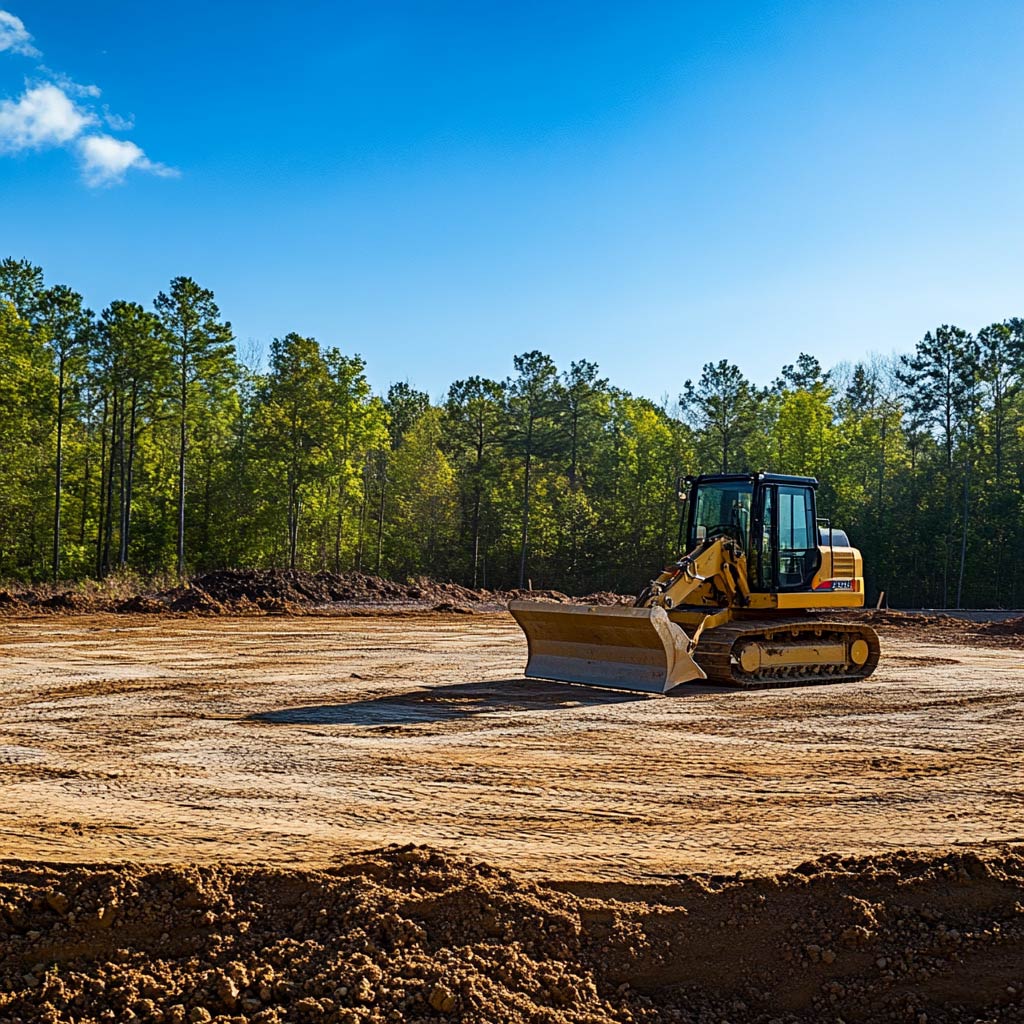
Solid construction work begins long before any concrete is poured, and grading plans often sit at the center of that preparation. These plans shape how a site behaves, how structures settle, and how water moves for decades to come. Understanding their influence helps explain why civil engineering and land development rely so heavily on precise grading decisions.
Proper Grading Shaping How Water Safely Moves Across a Construction Site
Proper grading sets the tone for how water drains across an active project area. Knoxville engineering firms often use detailed calculations to determine the safest paths for runoff so the site avoids ponding, washouts, or structural risks. Without a clear flow pattern, temporary pooling may weaken soil, interfere with equipment, and disrupt scheduled work.
The next phase of evaluation focuses on long-term water behavior. Civil engineering consultants look beyond the construction period, checking whether the planned drainage will remain consistent once pavement, structures, and landscaping change the surface. This foresight protects finished buildings and prevents future drainage failures.
Elevation Control Setting the Groundwork for Stable Building Foundations
Elevation control ensures each building pad sits at the right height relative to surrounding features. A well-designed grading plan accounts for soil depth, compaction levels, and foundation load capacity, which all determine long-term stability. Civil engineering services apply elevation benchmarks to keep structures level and prevent foundation movement. The second part of elevation planning considers how the building will interact with nearby grades. Minor elevation shifts can disrupt drainage or cause water to collect against walls. By adjusting elevations strategically, civil engineering and land development teams create conditions that support both the structure and the site around it.
Slope Adjustments Preventing Erosion and Future Settlement Issues
Slopes are never set at random; each one affects how soil responds under pressure and water flow. Knoxville engineering firms design slope angles that resist erosion while still allowing safe access for construction crews. A slope that is too steep may wash away during heavy rain, while one that is too flat may hold unwanted moisture.
Settling is another concern addressed through proper slope adjustments. Soil that is not shaped correctly may compact unevenly, causing foundations, utilities, or paved areas to shift. Adjusting slopes during early grading prevents these expensive and avoidable issues.
Site Contours Guiding Equipment Access and Efficient Earthwork Flow
Site contours function as a map for earthmoving crews, guiding how machinery will operate. Smooth transitions allow equipment to move freely, reducing delays and lowering the risk of on-site hazards. Civil engineering consultants often refine these contours to help contractors avoid unnecessary rework. The layout also influences the overall efficiency of earthwork. Proper contouring allows trucks, loaders, and graders to follow natural paths, reducing fuel use and minimizing machine strain. Well-planned contours contribute to cost savings throughout the project.
Drainage Direction Influencing Long-term Performance of Paved Areas
A paved roadway or parking lot relies heavily on proper drainage. Even slight misdirection of water can lead to pooling, cracking, or frost heave over time. Civil engineering services design drainage slopes that remove water quickly to protect asphalt and concrete surfaces.
The long-term durability of paved areas depends on consistent drainage during all seasons. Knoxville engineering firms assess local rainfall rates and soil absorption capacity so water never settles beneath pavement, where it can weaken the base layers and shorten lifespan.
Grade Transitions Ensuring Smooth Connections Between Site Features
Grade transitions help connect sidewalks, roadways, building pads, and landscaped areas. A transition that is too abrupt may create tripping hazards, vehicle clearance issues, or ADA compliance problems. Civil engineering and land development teams refine these connections to ensure all movements across the site feel natural.
Each transition supports both function and safety. Engineers consider curb heights, pavement thickness, and pedestrian flow to craft seamless shifts between features. Clean transitions also improve the appearance of the finished site.
Cut-and-fill Balance Reducing Material Waste and Project Costs
Balancing cut and fill is a direct way to control project budgets. Skilled grading design aims to use excavated soil elsewhere on the site instead of hauling it away or importing new material. This reduces truck traffic, fuel use, and scheduling delays.
A balanced approach also creates a more stable site. Civil engineering consultants analyze soil conditions to ensure the reused material will compact properly and support foundations. A thoughtful cut-and-fill plan helps the project conserve resources without lowering quality.
Ground Shaping Defining How the Entire Site Functions After Completion
Ground shaping determines how people, vehicles, and water interact with the finished property. Proper shaping guides walkways, defines slopes, stabilizes landscaped areas, and supports utility performance. Knoxville engineering firms often revisit these details near the end of design to ensure the entire site works as intended. A well-shaped site also minimizes long-term maintenance. Smooth grades prevent erosion, direct water appropriately, and support paved surfaces. For projects seeking reliable grading expertise, Ivaldi Engineering provides civil engineering services that help sites perform successfully long after construction ends.
