

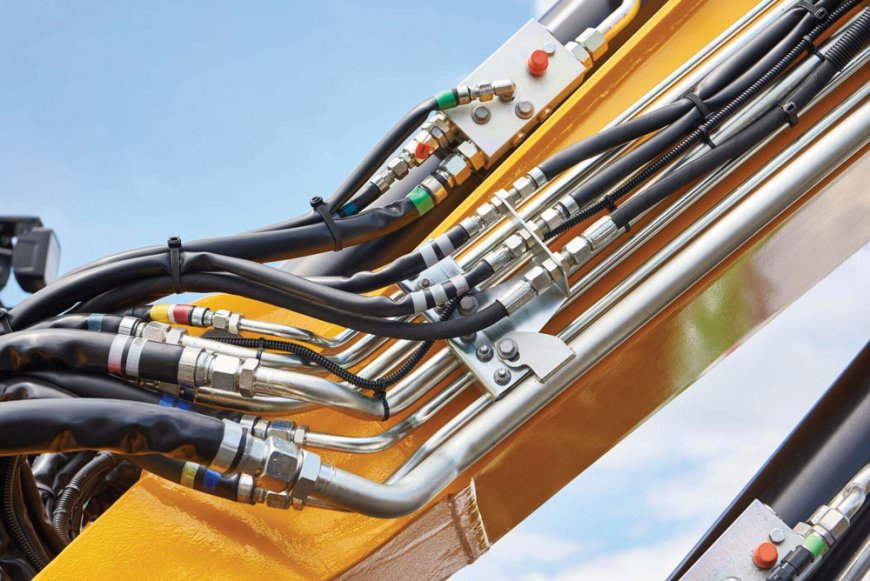
Industrial hoses are the silent drivers behind the smooth operation of a vast array of industrial equipment. Whether it’s in heavy manufacturing, chemical plants, or logistics operations, these flexible connectors are essential for the safe and efficient transfer of liquids, gases, and even solids. With robust configurations and evolving technologies, hoses form the backbone of many industrial processes, playing an indispensable role in powering modern machinery and supporting productivity worldwide.
Advancements in industrial hose technology over the past decade have significantly improved durability and safety, particularly in the mining, automotive, and food processing industries. Enhanced synthetic polymers and multi-layer reinforcements have increased flexibility and strength, vital for high-pressure environments. Additionally, modern hoses now feature smart technologies that aid in process optimization and risk management.
Expanding beyond hoses themselves, the whole ecosystem of hydraulic products offers tailored solutions for everything from power steering in machinery to precision robotics in assembly lines. Custom hydraulic components further enhance operational reliability and are essential to supporting advanced manufacturing across various industries.
Advancements in Hose Materials and Design
New composite materials and engineered polymers have redefined what industrial hoses can withstand. Traditional rubber has given way to advanced materials such as thermoplastic elastomers and reinforced rubbers blended with aramid fibers, which yield hoses capable of resisting abrasion and withstanding temperatures from subzero to several hundred degrees Fahrenheit. Reinforced multi-layer hoses are vital in steel production and chemical manufacturing, where demanding environments are commonplace. The use of these innovative materials leads to longer lifespans and fewer maintenance interventions, ultimately enhancing system reliability.
Today’s industrial hoses must be both tough and flexible. The integration of wire helices and textile braiding within hose walls delivers high structural strength, supporting operations where flexibility and tight routing are paramount. As such, industries requiring frequent repositioning of equipment—such as aerospace and mobile hydraulics—benefit significantly from these features.
Integration of Smart Technologies
The digital revolution has brought smart technology directly into the home market. Hose assemblies can now incorporate sensors that monitor temperature, pressure, vibration, and even hose degradation. This data is wirelessly transmitted to industrial control systems, providing real-time visibility for plant managers. Predictive analytics use this data to pre-empt hose failures, allowing for smaller inventories, leaner supply chains, and less operational downtime. These smart solutions are the cornerstone of Industry 4.0 and are fast becoming standard in critical infrastructure applications.
By enabling proactive maintenance and offering real-time alerts for any anomaly, smart hoses are reducing the risk of catastrophic failures. This not only protects valuable assets but, more critically, ensures the safety of operators and nearby personnel in the workplace.
Environmental Considerations
Environmental sustainability is increasingly shaping the future of industrial hose manufacturing. Many top manufacturers are now focused on producing hoses using biodegradable polymers, bio-based plastics, and recycled materials—driven by global initiatives to lower carbon footprints and reduce waste. These sustainable hoses must meet the exact performance specifications of their conventional counterparts and must endure stringent safety testing to ensure reliability in mission-critical operations.
Companies across multiple sectors are responding to the push for greener operations, not only to comply with environmental regulations but also to meet the expectations of consumers and stakeholders. Sustainable industrial hoses minimize hazardous waste and contribute significantly to the lifecycle management of modern machinery.
Supply Chain Innovations
The evolution of supply chain systems for industrial hoses is characterized by the adoption of digital tools, including AI-driven forecasting and cloud-based logistics platforms. These systems streamline inventory management and enable rapid customization of hose designs for specific industrial needs. Localized manufacturing hubs, using advanced automation, further reduce lead times and transportation emissions.
Direct integration between manufacturers and end-users through digital platforms means faster order processing, real-time updates, and a higher degree of customization for complex applications. Customers gain unparalleled control over their supply chain, ensuring that their unique requirements for durability, flexibility, and compliance are met without compromise.
Conclusion
The field of industrial hoses exemplifies the innovation and progress driving modern industry. With advancements in advanced materials, innovative technology, and sustainability initiatives, hoses have become indispensable components that promote safety, efficiency, and environmentally conscious operations. As technology continues to advance and industry demands evolve, industrial hoses will remain central to powering the world’s most essential machinery.
