



Introduction
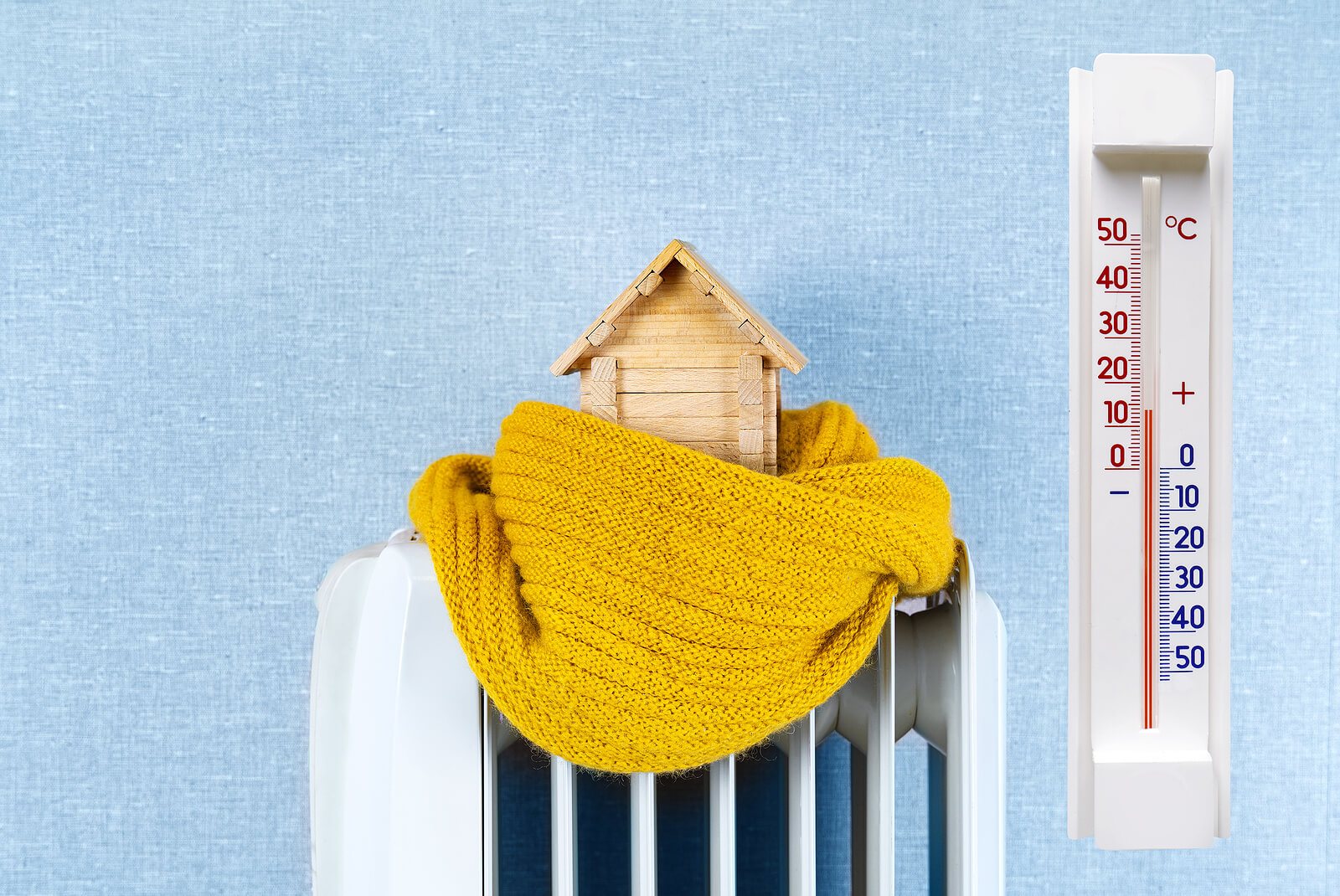
Ensuring your heating system is ready to keep your house warm and cozy as winter draws near becomes a top concern. In addition to offering comfort during frigid months, a well-maintained heating system substantially contributes to your house’s energy efficiency. It may help you avoid paying excessive power costs. Addressing minor issues promptly through residential heating repair services can stave off more costly and disruptive problems. This guide will explore insightful tips to help you prepare your heating system effectively for the winter months.
Signs Your System Needs Professional Attention
While homeowners can undertake many maintenance tasks, signs indicate that their system might require professional intervention. These include consistent unusual noises, such as banging or hissing sounds, persistent odors that could suggest gas leaks or burning, and unexplained spikes in your energy bills, which could indicate inefficiency or malfunctions in your system. Moreover, if you notice cold spots in certain rooms despite running your heating system, it’s time to contact a professional for comprehensive diagnostic services and repairs.
Understanding Your Heating System
Homeowners utilize various heating systems, including furnaces, heat pumps, and boilers, each with unique benefits and maintenance needs. For instance, furnaces are typically reliable and deliver consistent warmth, yet they require regular filter changes to maintain efficiency and indoor air quality. Heat pumps offer energy-saving benefits by transferring heat instead of generating it, but they require more frequent checks to maintain optimal function. Boilers provide even heating and are relatively quiet; however, they may need annual inspections to prevent issues like water leaks. A basic understanding of your heating system’s operations and components allows you to identify potential problems early and take timely action.
Regular Maintenance Steps
Check the Thermostat
Your thermostat acts as the control center for your heating system, dictating when and how much heat is distributed throughout your home. If it malfunctions, it can lead to inefficient heating and wasted energy. Start your maintenance routine by ensuring your thermostat is functioning correctly. Consider switching to a smart or programmable thermostat, which offers more comfort and energy efficiency by enabling personalized heating schedules that adjust to your needs.
Replace Filters
Filter cleaning is straightforward but essential to keeping your heating system in good working order. Dirty filters not only impede the smooth operation of your system, causing it to work harder and expend more energy, but they also adversely affect air quality by circulating dust and allergens. During the heating season, aim to check and either clean or replace filters monthly to ensure efficient system operation and to improve indoor air quality for a healthier home environment.
Inspect Ductwork
Ducts are vital in channeling warm air from your heating system to various parts of your home. Unfortunately, with time, ducting may leak or clog with dust and debris, resulting in inconsistent heating and significant energy loss. Regular inspections can help you spot any breaches or blockages. Sealing and insulating your ducts, especially in unconditioned spaces, can significantly enhance your system’s efficiency and ensure that warm air reaches its intended destination.
Clean the Vents and Radiators
Vents and radiators can become obstructed by dust buildup, furniture, or drapery, hindering the free flow of warm air throughout your home. These parts must be cleaned regularly to ensure free circulation and effective heat distribution. Ensure that all vents and radiators are clear and allow sufficient space around them for proper air circulation, maximizing the effectiveness of your heating system.
Benefits of Professional Maintenance
Opting for professional maintenance thoroughly inspects your heating system, revealing issues that might not be evident during routine homeowner-led check-ups. Experts have the knowledge and tools necessary for thorough safety inspections, guaranteeing that no gas leaks or other dangers endanger your house’s security. Regular professional tune-ups extend the life of your heating system and enhance reliability and performance, allowing you to enjoy a warm, cozy home without unexpected disruptions.
Energy Efficiency Tips During Winter
Maximizing your heating system’s efficiency doesn’t solely rely on mechanical maintenance—simple behavioral adjustments and home improvements also make a substantial difference. Insulating your home, particularly in attics and basements, reduces heat loss and aids in maintaining a consistent indoor temperature. Draft stoppers can block cold air infiltration under doors, and heavy curtains drawn at night can trap warmth. Experts have the knowledge and tools necessary for thorough safety inspections, guaranteeing that no gas leaks or other dangers endanger your house’s security.
Additionally, leveraging natural heat sources, such as allowing sunlight to stream through south-facing windows during the day, can contribute to a cozy home environment. Incorporating innovative technology, like smart vents or zoned heating systems, for more advanced strategies affords tailored heating solutions that minimize energy wastage.
Conclusion: Engage a Professional if Necessary
Engaging a professional when your heating system exhibits significant issues can prevent minor problems from escalating into major repairs. Certified technicians bring expertise and diagnostic acumen that ensure comprehensive care. Additionally, consider exploring resources such as the U.S. Department of Energy’s website for insights into sustainable home heating solutions and more ways to conserve energy during winter. Taking proactive steps today ensures warmth, safety, and peace of mind, keeping your household comfortable as temperatures drop.


