

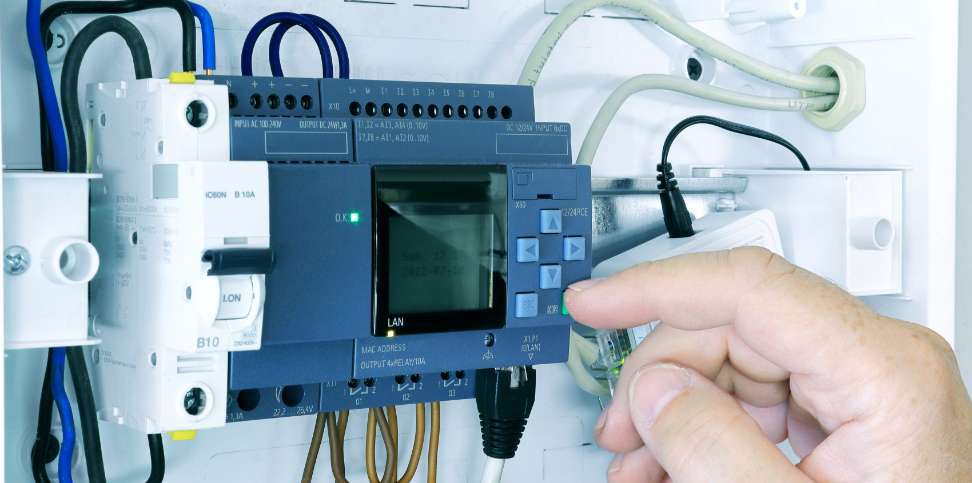
Production environments change faster than most control systems are ever updated. Equipment that once ran smoothly can slowly become a source of inefficiency without anyone noticing the cause. Outdated PLC code often sits quietly behind the scenes until small issues compound into lost output, safety risks, and rising maintenance costs.
Why Old PLC Code Slows Down Your Production Line
Legacy PLC programs were usually written to match older mechanical limits, slower communication speeds, and simpler process demands. As production targets increase, that old logic can no longer keep pace. Scan times stretch, sequences wait longer than needed, and machines hesitate between steps.
Another hidden issue lies in how older code handles decision-making. Many legacy routines rely on nested conditions and repeated checks that eat up processing time. A PLC system integrator reviewing these programs often finds that performance losses come from logic structure rather than hardware limitations.
What Happens When Legacy Logic Causes Repeated Stops
Unexpected line stops are often blamed on sensors or operators, but outdated PLC logic is frequently the real trigger. Fault handling written years ago may shut down entire systems instead of isolating the problem area. This design choice made sense when troubleshooting tools were limited.
Repeated stops create a cycle of restarts, manual overrides, and production delays. Each interruption increases wear on equipment and frustrates operators. Modern PLC programming focuses on controlled responses that keep unaffected sections running while issues are addressed.
How Outdated Code Fuels Inconsistent Machine Output
Consistency depends on precise timing and repeatable control actions. Older PLC routines often lack the resolution or structure needed to maintain tight tolerances. Variations in cycle timing can lead to uneven product quality, even when mechanical components are in good condition.
Inconsistent output also stems from poor state management in legacy programs. Machines may not fully reset between cycles, causing subtle differences from run to run. A PLC programming company updating this logic can restore predictable behavior by clearly defining operating states and transitions.
Signs Your PLC Program Is Past Its Useful Life
Certain warning signs point directly to aging PLC code. Frequent manual interventions, undocumented logic changes, and alarm messages that lack clarity all suggest the program has outlived its design purpose. These symptoms often appear gradually, making them easy to ignore.
Another red flag is reliance on tribal knowledge. If only one or two people understand how the system works, the code has become a liability. Custom PLC updates replace guesswork with structured logic that anyone trained on the system can follow.
Why Maintenance Becomes Harder With Old PLC Routines
Maintenance teams struggle most when PLC code lacks organization. Routines scattered across multiple files, duplicated logic, and unclear tag names slow down troubleshooting. Simple fixes take longer because the root cause is buried in complexity.
Over time, maintenance staff may avoid making improvements altogether for fear of breaking something. Modern PLC programming emphasizes readability and modular design. Clear routines allow maintenance teams to diagnose issues quickly and make confident adjustments.
How Modern Code Boosts Control Accuracy and Speed
Updated PLC logic takes advantage of efficient processing and smarter control strategies. Inputs are filtered properly, outputs respond faster, and timing is based on actual process needs rather than conservative estimates. This precision directly improves throughput.
Modern code also improves communication between devices. Data moves cleanly between PLCs, HMIs, and higher-level systems. A PLC system integrator can align control logic with today’s networking standards, unlocking performance gains without changing machines.
What Risks Old Logic Poses to Safety and Quality
Safety routines written years ago may not reflect current standards or operating conditions. Emergency stops, interlocks, and fault responses might work, but not optimally. Delayed reactions or unclear alarms increase risk during abnormal events.
Quality suffers in similar ways. Old logic may fail to catch minor deviations that lead to scrap later in the process. Updating PLC programming allows safety and quality checks to run continuously and respond immediately to abnormal conditions.
Why Custom Updates Reduce Scrap and Downtime
Generic fixes layered onto old code rarely solve underlying problems. Custom PLC updates take a different approach by addressing how the process should operate today. This eliminates workarounds that hide issues rather than resolving them. Reduced scrap comes from tighter control and better sequencing. Downtime drops because faults are handled cleanly instead of triggering full shutdowns. A PLC programming company focused on custom solutions can tailor logic to real production needs.
How Fresh PLC Programming Extends Equipment Life
Equipment lasts longer when control actions are smooth and predictable. Old PLC code often causes abrupt starts, stops, and unnecessary cycling. These actions increase mechanical stress and shorten component life. Fresh PLC programming reduces wear by coordinating motion and timing more effectively. Motors ramp properly, actuators move only when needed, and systems avoid unnecessary strain. Custom PLC updates protect equipment while improving overall performance.
RL Consulting helps manufacturers identify where outdated control logic is holding production back. Their team designs structured PLC solutions that improve reliability, safety, and efficiency. By modernizing code instead of replacing equipment, they help facilities get more life and value from existing systems.
