



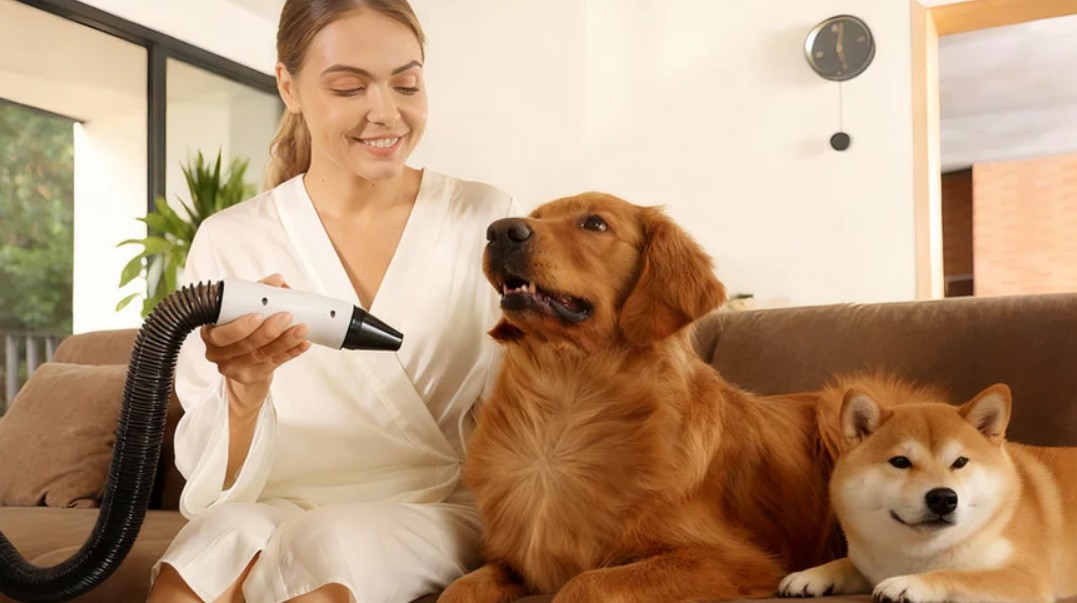
In recent years, the concept of home design has expanded far beyond human comfort to deeply incorporate the needs of our domesticated animals. We have witnessed the rise of dog wash stations in mudrooms and dedicated cat climbing walls in living rooms, but the latest phenomenon taking the pet care world by storm is the dedicated “pet recovery room.” This trend reflects a profound shift in how pet parents approach the vulnerable moments in an animal’s life, such as recovering from a veterinary surgery, healing from an injury, or simply decompressing after a highly stressful event like a bath or a thunderstorm.
The popularity of pet recovery spaces stems from a growing awareness of animal psychology and rehabilitation science. Historically, a sick, injured, or wet pet was often relegated to a laundry room, a cold bathroom, or a cramped plastic travel crate until they felt better. Modern pet owners, however, view their animals as core family members who deserve a structured, therapeutic environment to heal. By designating a specific, quiet zone in the house equipped with supportive bedding, calming sensory controls, and specialized wellness tools, pet parents can significantly accelerate the physical and emotional healing process for their beloved companions.
The Problem With Traditional Feeding Methods
While creating a physical recovery space is vital, true wellness requires a holistic approach that connects the environment to daily care routines. Surprisingly, one of the biggest obstacles during an animal’s recovery period stems from traditional feeding methods. When an animal is stressed, immobile, or healing from a medical procedure, the way they interact with their food changes dramatically, exposing the inherent flaws of conventional pet bowls and open-air food storage.
Food Freshness Loss
When dry pet food sits in a traditional open bowl or a poorly sealed automated container for extended periods, it undergoes rapid oxidation. The premium fats, oils, and vital nutrients break down, causing the food to become stale, lose its enticing aroma, and diminish in nutritional value. For a recovering pet whose appetite is already suppressed due to medication or stress, stale food can cause them to reject their meals entirely. This lack of interest in nutrition delays the healing process, as their bodies desperately need fresh, nutrient-dense calories to rebuild damaged tissues and regain physical strength.
Overfeeding
Maintaining a strict caloric balance is absolutely critical during a pet’s recovery phase, yet traditional feeding methods frequently lead to accidental overfeeding. When an animal is confined to a recovery room, their physical activity drops to near zero, meaning their daily caloric requirements are significantly lower than usual. If owners continue to eyeball food portions or allow free-feeding from gravity dishes, the pet will quickly consume excess calories. Without the ability to burn off this energy, rapid weight gain occurs, placing dangerous mechanical stress on healing surgical incisions, fragile stitches, and compromised joints.
Multi-Pet Feeding Conflicts
In a multi-pet household, traditional communal feeding setups become a major source of anxiety and physical danger during an animal’s convalescence. A recovering pet is often physically weak, slow, and unable to defend their resources. If feeding is not carefully controlled, healthier, more dominant animals in the home may bully the healing pet, steal their specialized prescription food, or instigate physical conflicts. This dynamic forces the recovering animal into a state of chronic stress, raising their cortisol levels and directly impeding their body’s natural ability to rest and repair itself safely.
Creating a Calm Environment After Surgery or Bathing
A successful home recovery room must act as a sanctuary that minimizes external stimuli and maximizes physical comfort. Whether a pet is waking up from anesthesia or trying to calm down after a stressful bathing session, the physical parameters of the room must be meticulously managed to cultivate a deep sense of security.
Temperature Comfort
An animal’s ability to regulate their own body temperature is severely compromised after undergoing anesthesia, experiencing physical trauma, or being saturated with water during a bath. Cold drafty floors can induce shivering, which expends precious metabolic energy and increases surgical pain. A proper recovery space must maintain a stable, warm ambient temperature. Incorporating safe, low-voltage heated pet beds or ensuring the room is entirely free from air conditioning drafts helps the animal maintain thermal equilibrium, allowing their metabolic resources to focus entirely on healing.
Noise Reduction
Pets possess incredibly sensitive hearing, and sudden, loud noises can startle an injured or medicated animal, causing them to bolt and potentially rip out fresh surgical stitches. The ideal recovery room should be situated in a low-traffic area of the home, far away from the chaotic sounds of televisions, shouting, or ringing doorbells. Wall tapestries, heavy curtains, and plush rugs can be utilized to naturally dampen sound waves within the space. Additionally, many owners use white noise machines or soft classical music to mask unpredictable household sounds, inducing a deeply tranquil state.
Clean Spaces
A sterile, hygienic environment is paramount to preventing post-operative infections and keeping a vulnerable animal healthy. The recovery room should feature easily sanitizable surfaces, avoiding thick carpets that can trap bacteria, dander, or outdoor grime. All bedding in the space should feature removable, machine-washable waterproof covers to manage accidental bathroom accidents or fluid drainage from wounds. Keeping the space pristine protects the pet’s compromised immune system and gives the owner total peace of mind as they monitor the healing process.
Why Drying Matters for Recovery
Drying is an often overlooked, yet completely vital component of both post-bath decompression and post-surgical hygiene. Leaving an animal to air dry naturally, or relying solely on a superficial towel wipe down, can introduce a variety of health complications that can severely disrupt an otherwise smooth recovery trajectory.
Preventing Moisture-Related Skin Issues
When a pet’s coat remains damp for hours, moisture becomes trapped against the skin, creating a warm, dark, and humid microclimate. This environment serves as an ideal breeding ground for opportunistic bacteria and fungi, leading to painful conditions like acute moist dermatitis, commonly known as hot spots. For a pet already dealing with a lowered immune system due to surgery or stress, these secondary skin infections can spread rapidly, causing intense itching, inflammation, and discomfort that complicates their primary recovery.
Keeping Pets Warm and Comfortable
Hypothermia is a genuine risk for animals that are left wet indoors, particularly small breeds, senior pets, or those recovering from medical procedures. As water evaporates from a thick coat, it actively siphons heat away from the animal’s body core, leading to prolonged shivering, muscle stiffness, and elevated stress levels. Ensuring that a pet is dried thoroughly and rapidly right down to the undercoat prevents this dangerous temperature drop, ensuring they remain warm, relaxed, and physically comfortable throughout their recovery period.
Smart Grooming Tools for Sensitive Pets
The rise of the home recovery room has triggered a demand for innovative, gentle grooming technologies. Traditional grooming tools are often too harsh, loud, or aggressive for an animal that is feeling physically vulnerable or emotionally sensitive, necessitating a shift toward specialized, smart appliances.
Low-Temperature Dryers
Standard human hair dryers or older industrial ペットドライヤー often emit intense, unregulated heat that can easily blister an animal’s sensitive skin or cause dangerous systemic overheating. Modern smart dryers engineered for sensitive pets utilize advanced internal thermostats to maintain a perfectly consistent, low-temperature airflow. This gentle warmth effectively evaporates moisture from the dense undercoat without any risk of thermal discomfort or skin irritation, making the drying process feel like a soothing spa treatment rather than a frightening ordeal.
Quiet Airflow Systems
The roaring, high-pitched whine of traditional high-velocity dryers is one of the primary triggers for pet anxiety, often causing animals to panic, scratch, or try to escape. To address this, the latest pet care tools incorporate whisper-quiet airflow systems and advanced sound-insulation engineering. By significantly reducing the mechanical noise and vibration output, these quiet dryers allow owners to effectively dry a highly sensitive or recovering pet without triggering their fight-or-flight response, keeping the atmosphere in the recovery room entirely peaceful.
Gentle Grooming Routines
Integrating smart tools allows pet parents to establish incredibly gentle grooming routines that respect the animal’s physical boundaries. Instead of forcing a sensitive pet through an intense, prolonged grooming session, owners can utilize ergonomic, low-vibration brushes and quiet tools for short, incremental touch-ups. This approach ensures that maintaining hygiene does not cause physical fatigue or mental stress, helping the pet associate grooming care with relaxation and comfort during their period of vulnerability.
The Role of Soft Elizabeth Collars
No discussion of modern pet recovery is complete without addressing the evolution of the traditional plastic Elizabethan collar, colloquially known as the “cone of shame.” The rigid, opaque plastic cones of the past are rapidly being replaced by innovative soft alternatives that prioritize both physical protection and emotional comfort.
Comfort During Recovery
Traditional plastic cones severely restrict an animal’s peripheral vision, cause loud echoing noises when bumped against walls, and make it incredibly difficult for a pet to find a comfortable sleeping position or lower their head to eat. Soft recovery collars, constructed from flexible, lightweight foam or water-resistant fabric, alleviate these physical burdens entirely. They bend gently when the pet lies down, acting like a built-in travel pillow that supports the head while still effectively preventing the animal from licking or chewing at sensitive wounds.
Reducing Stress and Irritation
By switching to a soft collar within the recovery room, owners can dramatically reduce the psychological stress and spatial disorientation that animals typically experience during rehabilitation. Because these modern collars do not block peripheral sightlines, pets feel much more secure in their environment and are far less likely to experience panic attacks or clumsy collisions with furniture. Minimizing this daily irritation allows the animal to remain calm, sleep soundly, and maintain a positive mood, which directly supports a faster and more efficient clinical recovery.
Final Thoughts
The emergence of dedicated pet recovery rooms highlights a beautiful shift toward empathetic, specialized care within the modern home. We now understand that true healing requires much more than just medical prescriptions; it demands a comprehensive environment that actively nurtures an animal’s physical comfort and emotional peace of mind. By rethinking our feeding methods, carefully regulating temperature and noise, utilizing whisper-quiet smart grooming tools, and opting for comforting soft collars, we can convert a stressful healing process into a tranquil period of rejuvenation. Investing in a dedicated recovery space is the ultimate expression of love for our companion animals, ensuring that when they are at their lowest, we provide them with the highest standard of comfort, safety, and care.


