



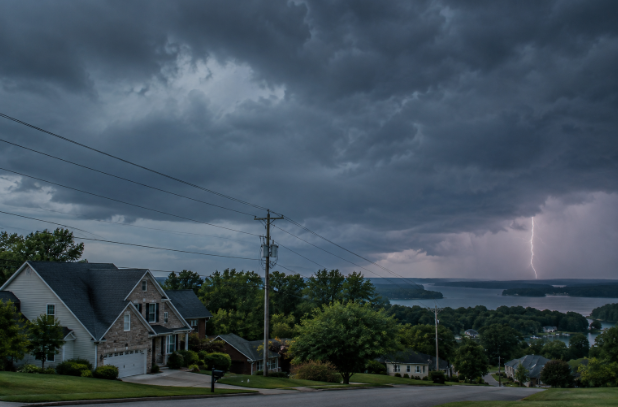
In Mooresville, North Carolina, a fast-moving thunderstorm, a downed branch near a power line, or power returning after an outage can create electrical disturbances that reach a home in seconds. Understanding the difference between a minor flicker and a potentially damaging event helps homeowners protect the electronics and appliances they rely on every day.
A practical plan often begins with whole house surge protection, especially in homes with connected appliances, HVAC controls, security equipment, home offices, and electric vehicle charging equipment. It is not a substitute for safe wiring and proper repairs, but it can be an important part of a broader electrical safety strategy for Mooresville residents.
Why Power Surges Happen in Mooresville
A power surge is a brief increase in voltage above the level an electrical system and connected equipment are designed to receive. It may happen during a lightning event, a utility switching operation, a transformer problem, or a power restoration after an outage. Large motors inside a home, including air conditioners, refrigerators, and pumps, can also cause smaller electrical changes when they start or stop.
Not every electrical disturbance is a surge. An outage is a complete loss of electricity. A brownout is a sustained period of reduced voltage. A flicker is a very brief dimming, brightening, or interruption that may be visible in lights. Around Lake Norman and throughout Mooresville, storm preparation should include personal safety as well as equipment protection, because lightning can travel through electrical systems and connected wiring after it strikes nearby infrastructure.
When recurring flickers, breaker trips, or unexplained equipment failures affect only one residence in Mooresville, it is wise to have the home evaluated. Homeowners looking for the best electrician in Mooresville, NC, should prioritize qualified help that can inspect the panel, grounding, connections, and affected circuits instead of treating repeated symptoms as normal.
Are Flickering Lights Always a Sign of a Surge?
Not always. A single light may dim briefly when an air conditioner or refrigerator compressor starts, particularly if it is on the same circuit. An isolated bulb can also flicker because the bulb is loose, failing, or incompatible with its dimmer. These situations do not automatically mean the home has suffered a damaging surge.
Repeated or widespread flickering deserves more attention. Lights that pulse in several rooms, brighten unexpectedly, or flicker when no major appliance is starting can point to a loose connection, overloaded circuit, failing breaker, service issue, or utility-side problem. If nearby homes are experiencing the same disturbance, contact the utility. If the problem is limited to your property, arrange an electrical inspection.
Which Devices Face the Most Risk?
Modern Mooresville homes often contain far more sensitive electronics than homes built decades ago. Televisions, computers, monitors, printers, Wi-Fi routers, streaming devices, smart home hubs, security systems, appliance control boards, HVAC controls, battery systems, and EV chargers all use electronic components that can be affected by voltage disturbances.
Damage is not always immediate or obvious. A device may stop working at once, but it may also continue operating with weakened components. For example, a router could appear normal after a disturbance yet later develop intermittent connection problems, restart unexpectedly, or fail to power on. When several unrelated devices begin behaving unusually after the same event, record what happened and avoid assuming that each failure is unrelated.
How Layered Surge Protection Works
A single plug-in strip does not protect every circuit or every piece of equipment in a house. Effective protection is usually layered, with each layer serving a different role:
- Service or panel protection: A properly selected surge protective device at the main electrical panel can help address surges entering through the electrical service.
- Point-of-use protection: Plug-in protectors can add protection for computers, televisions, network equipment, and similar electronics.
- Battery backup: An uninterruptible power supply can give a computer, router, or other supported device time to shut down safely during a brief outage.
- Grounding and bonding: Properly installed grounding and bonding help electrical safety systems work as intended.
Surge protection reduces risk, but it cannot guarantee that equipment will survive every direct lightning strike or serious electrical fault. A device should be matched to the home’s electrical panel, wiring, and connected equipment, then installed according to applicable requirements. Surge protectors also should be checked after a major event, especially if an indicator light changes or the housing shows damage.
What to Do After a Power Surge
After a suspected surge, take a calm and safety-first approach:
- Stay away from smoke, sparks, heat, or visibly damaged outlets and equipment.
- Do not touch melted cords, exposed conductors, or equipment that appears burned.
- Unplug affected electronics only if it is safe to do so.
- Determine whether the issue affects one circuit, the entire home, or neighboring homes.
- Contact the utility if the event appears related to the grid or a neighborhood outage.
- Photograph damaged equipment and note the date, time, weather conditions, and affected circuits.
- Call a qualified electrician if warning signs remain after power is restored.
Avoid repeatedly resetting a breaker that trips again. A breaker is responding to a condition that should be identified before normal use resumes. Insurance coverage for damaged belongings can depend on the policy, the event’s cause, and the type of property involved, so clear records may be useful.
Warning Signs That Need Attention
Some electrical symptoms call for prompt professional attention. These include burning odors, buzzing or crackling at an outlet or panel, warm or discolored switches and receptacles, repeated breaker trips, loose plugs, visible sparking, and multiple appliances failing around the same time. The home electrical safety checklist from the Consumer Product Safety Commission also highlights warning conditions homeowners should not ignore.
If there is smoke, active sparking, fire, or exposed wiring, move away from the hazard and seek emergency assistance. Surge protection cannot correct faulty wiring, damaged equipment, or overloaded circuits.
A Simple Mooresville Homeowner Checklist
- Review the age and condition of the electrical panel.
- Replace damaged or worn plug-in surge protectors.
- Use a UPS for important computers, network equipment, and other supported electronics.
- Keep cords and connected devices away from moisture and physical damage.
- Save receipts and model numbers for valuable electronics and appliances.
- Schedule an inspection after repeated flickers, unexplained device failures, or recurring breaker trips.
- Ask whether the home’s grounding, panel protection, and point-of-use protection work together appropriately.
Final Thoughts
Power surges may last only a moment, but the effects can appear long after lights return to normal. For Mooresville homeowners, the most useful approach is to notice unusual electrical behavior early, protect sensitive equipment in layers, and address warning signs before they become larger repair problems.


