



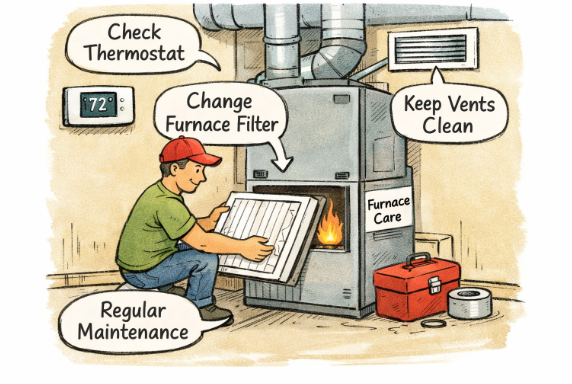
For homeowners facing long winters, ensuring your furnace’s longevity is not just about comfort but about maximizing your investment, too. Practicing regular maintenance and proactive care can help your system run efficiently and avoid inconvenient breakdowns. When issues do arise, swiftly addressing them by seeking professional furnace repair in Ruston can prevent minor problems from escalating into more costly repairs or early replacement.
Taking the right steps throughout the year will keep your heating system operating smoothly when you need it most. Continue below to discover smart strategies to extend your furnace’s effective life and secure a warm, energy-efficient home.
Regular Maintenance
Having a trusted HVAC technician inspect your furnace once a year is one of the best ways to keep your heating system in top shape. Annual check-ups allow technicians to detect worn parts, inspect electrical connections, lubricate moving parts, and check for carbon monoxide leaks. This preventative care helps your system operate safely and efficiently while minimizing the risk of inconvenient mid-winter breakdowns. According to the U.S. Department of Energy, routine professional maintenance can extend the overall lifespan of your heating equipment by identifying and resolving potential problems early.
Additionally, some technicians will provide insight into your system’s overall health during these inspections, advising you on parts that may fail soon and helping you budget for eventual repairs or upgrades. Not only does this proactive approach support comfort and safety in your home, but it can also help you avoid unexpected expenses during the coldest months, when your furnace is working hardest. Scheduling maintenance just before the heating season begins ensures your system is ready for winter’s demands.
Consistent Filter Replacement
Air filters play a crucial role in maintaining indoor air quality and furnace efficiency. When filters are clogged with dust and debris, they block airflow, forcing the furnace blower to work harder and potentially leading to overheating and system failure over time. It is recommended to check your furnace filter monthly and replace it every 1 to 3 months, especially if you have pets or allergies. This simple step improves air quality and prevents your furnace from overexerting itself season after season.
If you notice more dust accumulating on surfaces or a musty smell, your filter may be overdue for replacement. Higher-efficiency filters, such as HEPA or electrostatic filters, can capture finer particles, providing extra protection for your furnace and your family’s health. Mark your calendar or set reminders to create a habit of filter checks—this small routine can have a big impact on both your system’s performance and your indoor air quality.
Upgrading Your Thermostat
Modern programmable or smart thermostats help take the guesswork out of maintaining ideal home temperatures. By setting programmable schedules or using smart learning features, you can ensure your furnace runs only when necessary. Lowering the temperature when you are away or asleep can significantly reduce heating demand and cut energy costs. Installing a smart thermostat can lower your annual energy bill by up to eight percent.
Smart thermostats offer additional benefits such as remote control from your smartphone, real-time energy data, and maintenance alerts. These features empower you to optimize your furnace’s run times, prevent excessive cycling, and receive notifications about system abnormalities. As technology advances, integrating a smart thermostat with your home’s heating system offers greater convenience, potential long-term cost savings, and greater comfort.
Enhancing Home Insulation
Heat lost through poorly insulated attics, walls, and floors forces your furnace to work overtime to maintain comfortable temperatures. Improving home insulation is a long-term investment that reduces heat loss, thereby minimizing the workload on the furnace and saving money on heating bills. Be sure to check and seal gaps around doors, windows, basements, and attic hatches. The most effective strategies often combine insulation upgrades with airtight weather stripping or caulking for maximum benefit.
Adding insulation not only helps retain heat but may also buffer your home from external temperature swings, offering a more consistent indoor climate. Insulation upgrades can significantly reduce your furnace’s workload, helping extend its operational life and enhance seasonal comfort. Prioritize insulating attic spaces first, as heat tends to rise and escape through the roof, then address walls and floors for comprehensive performance.
Ensuring Clear Vents and Registers
Regularly inspecting and clearing all vents and registers throughout your home is essential. Blockages from curtains, furniture, or accumulated dust and debris can restrict airflow and create hot or cold spots, leading your furnace to run longer than necessary. Keep all vents unblocked and free from obstructions for balanced, efficient heat distribution.
Take time at the beginning of each heating season to walk through your house and verify all supply and return vents are exposed and clean. This task can also reveal if vents in lesser-used rooms are shut or obstructed. Balanced airflow promotes even heating, reduces strain on your furnace, and helps prevent breakdowns caused by heat buildup in certain areas.
Sealing and Insulating Ductwork
Ductwork hidden behind walls and ceilings may seem out of sight and out of mind, but leaks in your ducts can significantly hinder your furnace’s performance. Sealed and well-insulated ducts ensure warm air reaches each room as intended, reducing overall stress on your heating system and saving energy. Consider consulting a professional for a thorough assessment if you suspect issues or have never had your ducts inspected.
Properly maintained ductwork can prevent up to 30% of heated air from being lost before it reaches your living spaces, according to industry estimates. Materials such as spray foam, rigid fiberboard, or specialized duct insulation sleeves can provide a tight seal and added protection. Don’t overlook crawl spaces or attic ducts, as these areas are prime candidates for air leaks and heat loss if left unaddressed.
Maintaining Proper Humidity Levels
Maintaining the right indoor humidity levels during the heating season can make your home feel warmer at lower temperatures, reducing furnace usage. The ideal range for comfort and furnace efficiency is between 35 and 40 percent. Dry air not only feels cooler but can also stress wooden furniture and flooring. Running a humidifier during winter helps maintain this balance and lets your heating system relax a bit, boosting its overall lifespan.
Monitoring humidity with a digital hygrometer can help you maintain optimal levels throughout your home. If your house feels especially dry, consider using a whole-house humidifier that integrates with your HVAC system for maximum effectiveness and convenience. Balanced humidity not only enhances comfort but may also help protect your health and the structural integrity of your home during winter.
Conclusion
Taking an active role in your furnace’s care pays off with a warmer, more comfortable home and longer-lasting equipment. By committing to annual maintenance, staying on top of filter changes, upgrading thermostats, prioritizing insulation, ensuring vent clearance, sealing ductwork, and keeping humidity balanced, you can add years to your furnace’s life and enjoy dependable heat for many seasons to come.
The steps outlined above may require a bit of diligence, but their payoff in efficiency, comfort, and peace of mind is well worth the effort. Consider keeping a seasonal checklist or maintenance log to track tasks and ensure nothing gets missed. When in doubt or when bigger issues arise, don’t hesitate to reach out to local HVAC professionals, as their expertise ensures both your furnace and household stay protected year after year.


