

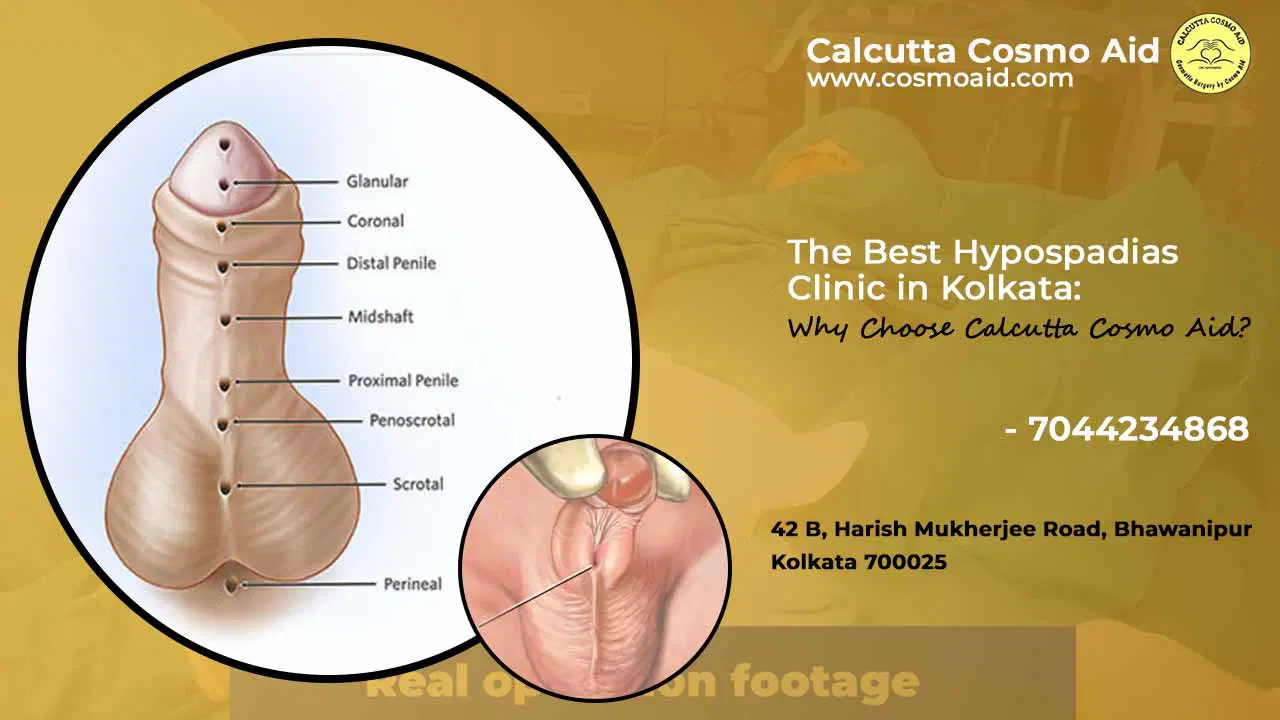
Receiving a diagnosis involving a structural condition can feel overwhelming, especially when it concerns something as sensitive as genital development. Chordee is a condition characterized by a curvature that becomes noticeable during erection or physical examination. While the severity varies, modern medicine offers reliable treatment pathways that focus on function, comfort, and long-term well-being. Understanding what treatment involves can ease anxiety and help families or individuals prepare for the journey ahead. With proper guidance, care planning, and realistic expectations, treatment becomes a structured process aimed at restoring normal anatomy and improving quality of life.
Understanding When Treatment Is Recommended
Not every anatomical variation requires immediate intervention, but medical evaluation is essential to determine the best course of action. Chordee is typically assessed during infancy or early childhood, though some cases are identified later. Physicians evaluate the degree of curvature, associated tissue involvement, and whether the condition interferes with urinary or future sexual function. Mild curvature may simply be monitored, while more pronounced cases are often candidates for correction.
The decision to proceed with treatment is based on long-term outcomes rather than cosmetic appearance alone. Functional concerns, such as abnormal urinary stream or discomfort, play a central role in planning care. Early consultation allows families to ask questions and understand the reasoning behind medical recommendations. Specialists explain how growth and tissue development influence timing, helping caregivers feel confident about next steps.
An important aspect of evaluation is distinguishing isolated curvature from conditions that may involve the urethra or surrounding tissues. Imaging or physical examination helps clinicians determine the most appropriate strategy. When treatment is advised, the goal is to correct curvature while preserving sensation and normal tissue integrity. This careful balance ensures that intervention addresses both structural and functional needs.
Surgical Correction and Modern Techniques
For moderate to severe curvature, surgical correction remains the most effective treatment. Advances in pediatric and reconstructive surgery have refined these procedures to prioritize precision and healing. The operation typically involves releasing tight tissue that causes bending and reshaping structures to achieve alignment. Surgeons tailor the approach to each patient, ensuring that the correction matches the individual anatomy.
Parents or patients often wonder about safety and recovery. Modern surgical environments emphasize minimally invasive handling, meticulous suturing, and techniques designed to reduce scarring. Anesthesia protocols are carefully managed, and postoperative monitoring ensures stability during the initial healing period. While the word surgery can sound intimidating, the procedure is routinely performed by specialists trained in delicate tissue repair.
Timing is another consideration. Many surgeons recommend correction during early childhood, when healing capacity is strong and psychological impact is minimal. Performing treatment at an early stage also allows the body to grow naturally with corrected alignment. However, successful outcomes are possible at various ages, and the treatment plan is always individualized. Clear communication between the medical team and family helps set realistic expectations regarding appearance, recovery time, and long-term function.
Recovery, Healing, and Long-Term Care
Healing after corrective treatment follows a predictable pattern, though each individual’s experience varies. Mild swelling and temporary sensitivity are common and typically resolve as tissues settle. Physicians provide detailed aftercare instructions that focus on cleanliness, gentle handling, and monitoring for signs of irritation. Following these guidelines closely promotes smoother healing and reduces the likelihood of complications.
Rest plays a critical role during recovery. The body channels energy toward tissue repair, so minimizing strain allows healing to progress efficiently. Follow-up visits give clinicians the opportunity to evaluate alignment, assess healing, and answer questions. These appointments also reassure families that progress is on track.
Long-term outcomes are generally positive when treatment is performed by experienced specialists. Corrected anatomy supports normal function and development, and most individuals go on to live without limitations related to the condition. Education and reassurance remain important, particularly as children grow older and begin to understand their medical history. Honest, age-appropriate conversations help normalize the experience and build confidence.
Emotional Considerations and Family Support
Medical care extends beyond physical correction. Emotional readiness and supportive communication significantly influence how individuals and families experience treatment. Learning about chordee can generate anxiety or uncertainty, especially when surgical correction is discussed. Open dialogue with healthcare providers helps demystify the process and reduces fear rooted in misunderstanding.
Families benefit from focusing on the purpose of treatment rather than the procedure itself. Framing correction as a step toward comfort and healthy development encourages a positive outlook. Children, when involved in age-appropriate conversations, often adapt well when they sense calm reassurance from caregivers. Emotional preparation, patience, and empathy create a supportive environment that promotes resilience.
Connecting with healthcare professionals who encourage questions fosters trust and collaboration. When families feel informed, they become active participants in care decisions. This partnership strengthens confidence before, during, and after treatment. Emotional well-being is not separate from physical healing; it reinforces the entire recovery journey.
Treatment planning is ultimately about restoring comfort and function while respecting the individuality of each patient. Through careful evaluation, modern surgical techniques, attentive recovery care, and emotional support, the path forward becomes clear and manageable. Chordee treatment is not a one-size-fits-all process but a personalized approach guided by expertise and compassion. When expectations are realistic and communication remains open, individuals and families can move forward with clarity, knowing that effective solutions are available to support long-term health and confidence.
