

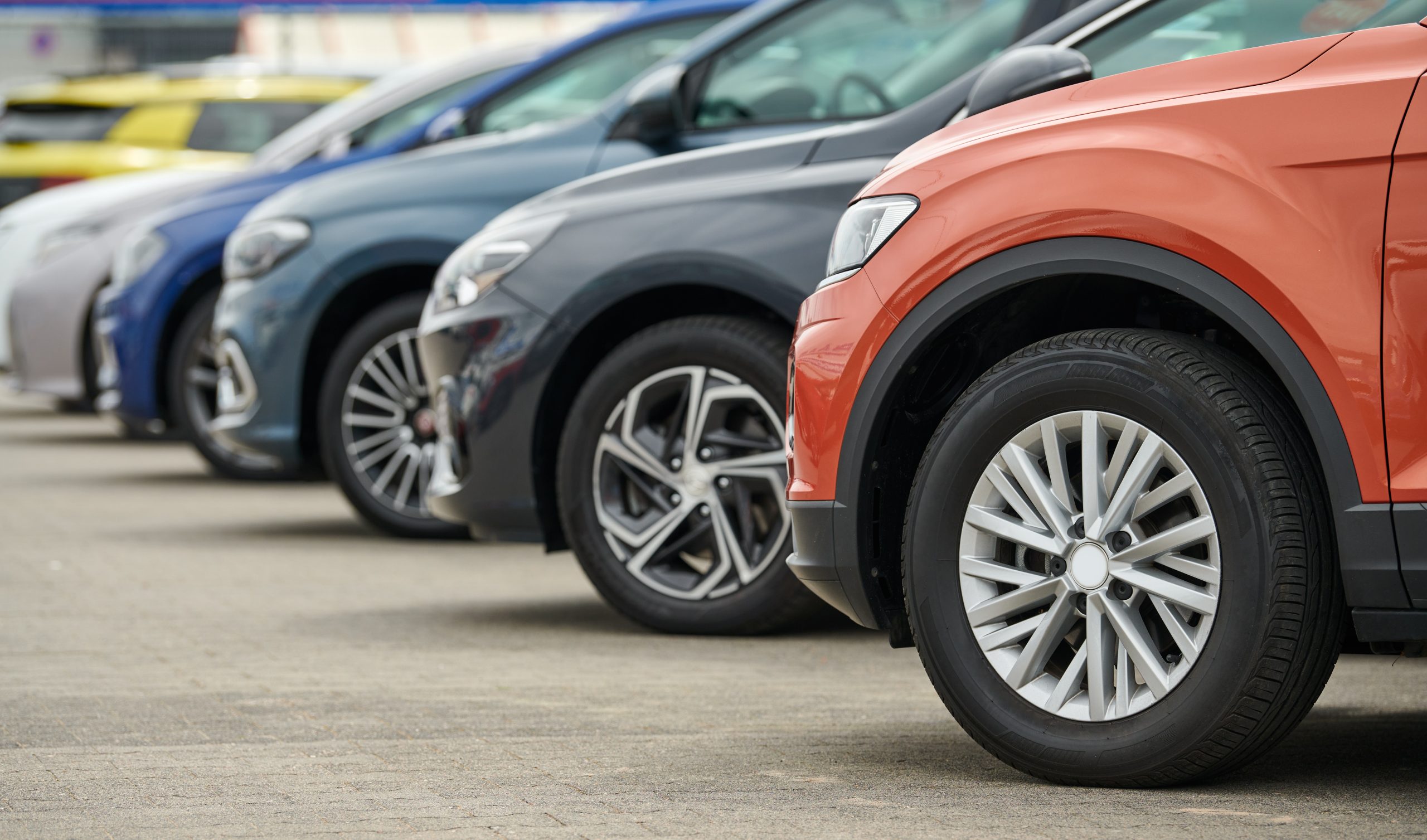
When it comes to purchasing a vehicle, deciding between buying new and pre-owned can be challenging. Your choice affects not only your budget but also your peace of mind, finances, and driving experience for years to come. Taking the time to reflect on your options and priorities will help you select the option that is right for you.
Comparing new and pre-owned vehicles comes down to balancing the latest features, reliability, and warranties with affordability, potential maintenance costs, and overall value. The following tips will guide you through key considerations to help you make the smartest choice for your lifestyle and needs. Learn more about how to approach this important decision and what to consider as you weigh your options.
Assess Your Budget and Financial Goals
Start with a clear, honest look at your budget. New vehicles typically command higher prices, eroding their value quickly due to rapid initial depreciation. Financial experts estimate a new car may lose about 20 percent of its value in the first year of ownership. On the other hand, pre-owned vehicles skip this steep loss, allowing you to invest in a reliable car for much less upfront. Along with the purchase price, look at insurance premiums and registration fees, which are generally lower for used vehicles. If keeping expenses predictable is a top priority, a pre-owned model may be the smarter financial choice.
Consider Depreciation Rates
Depreciation is one of the most significant factors in a vehicle’s long-term value. New cars experience the steepest depreciation in the first few years of ownership. In fact, it’s not unusual for a new vehicle to lose 30 percent or more of its value after just one year on the road. When you choose a pre-owned car, much of that initial value drop has already occurred, which means you retain more value over time and face fewer surprises when you decide to sell or trade in the vehicle.
Evaluate Maintenance and Repair Costs
New cars often include manufacturer warranties that cover most major repairs during the first several years of ownership, giving buyers added peace of mind. Nevertheless, labor and parts costs at dealerships can be higher for new vehicles due to specialized requirements. Used vehicles, while potentially more affordable to repair at independent shops, may require more frequent maintenance as they age. Having a trusted local mechanic can provide reassurance when purchasing a pre-owned car. Staying proactive with both new and used vehicles by adhering to maintenance schedules and promptly attending to issues is essential to maximizing your investment.
Analyze Insurance Premiums
Insurance costs often differ widely between new and pre-owned cars. Factors such as the car’s replacement value and repair costs mean that new vehicles generally come with higher insurance premiums. Conversely, used cars can be significantly cheaper to insure, putting less strain on your monthly budget. Choosing a car with safety features and a lower risk of theft can also help manage your premium.
Examine Available Features and Technology
New vehicles come equipped with the latest tech innovations and safety advancements, including sophisticated infotainment systems and enhanced driver assistance technologies such as adaptive cruise control and lane-keeping assist. While late-model used vehicles may offer a selection of these features, older used cars might lack modern conveniences. If your top priority is access to the newest features or a specific safety system, a new car or a very recent model could be preferable.
Research Vehicle Reliability and History
When evaluating pre-owned vehicles, reliability and transparency are key. Always obtain a comprehensive vehicle history report to review details such as previous ownership, reported accidents, and regular maintenance. Many dealerships offer certified pre-owned (CPO) programs, which require vehicles to pass rigorous inspections and often include warranty extensions. This can add a layer of confidence to your purchase of a used car by covering unexpected repairs and providing clear assurance of vehicle quality.
Test Drive and Inspect Thoroughly
No matter which route you lean toward, always insist on a thorough test drive. Pay careful attention to how the car feels, how responsive it is, and if there are any odd noises or potential red flags. For used vehicles, it is a wise investment to have a trusted mechanic conduct a pre-purchase inspection. This step can reveal underlying issues that could lead to costly repairs and will make you feel more confident in your final decision.
Explore Financing Options
Financing options differ for new and used vehicles. New cars often have exclusive offers like low-interest rates or cash-back incentives. Used cars may have higher rates but lower prices, making loans more manageable. Comparing terms, seeking pre-approval, and shopping around strengthen your negotiating position. By assessing your priorities and expenses, you can confidently choose a vehicle that suits your financial and lifestyle needs. Whether new or pre-owned, these considerations will help you make a satisfying long-term choice.
Conclusion
Choosing between a new or pre-owned vehicle requires balancing budget, long-term costs, and personal priorities. By considering factors such as depreciation, maintenance, insurance, features, reliability, and financing options, you can make a well-informed decision that aligns with your financial goals. Thorough inspections, test drives, and research further ensure confidence in your purchase. Ultimately, whether opting for a new model with the latest technology or a carefully selected used car, thoughtful planning helps maximize value, minimize surprises, and secure a vehicle that meets both your needs and your budget.
