



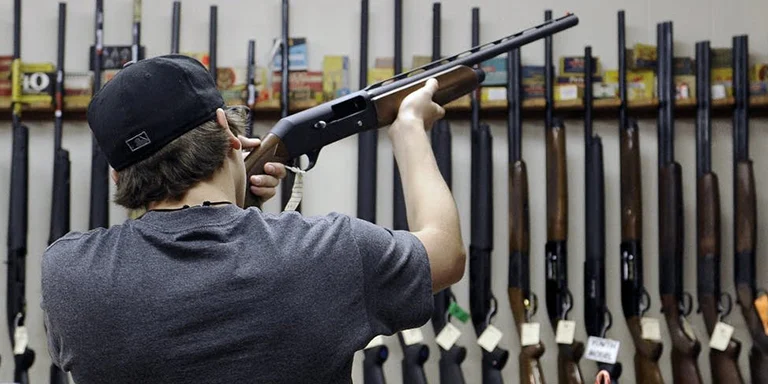
Purchasing a shotgun involves a careful consideration of several key features to ensure that the firearm meets your specific needs, whether for hunting, sport shooting, or home defense. Here, we’ll discuss the essential features to evaluate when buying a shotgun, including its action type, gauge, barrel length, choke options, stock and fit, reliability and durability, brand reputation, and additional features and accessories.
Action Type
The action type of a shotgun determines how shells are loaded and fired. The most common action types are pump-action, semi-automatic, break-action (including single-shot and double-barrel), and bolt-action. Each type has its advantages and disadvantages. Pump-action shotguns are reliable and allow for quick follow-up shots, while semi-automatics can offer less recoil and faster firing. Break-action shotguns are simple and lightweight, ideal for beginners or as a field gun, and bolt-action shotguns are less common, usually used for slug shooting due to their accuracy. For those interested in a modern, versatile semi-automatic shotgun, the AR12 offers a unique blend of performance and adaptability.
Gauge
The gauge of a shotgun indicates the diameter of its barrel and, by extension, the size of the shell it uses. The most popular gauges are 12 and 20, with the 12-gauge being the most versatile for various types of shooting. However, for younger shooters or those sensitive to recoil, a 20-gauge may be more suitable. Other gauges like the .410, 28, and 16 are also available for specific needs and preferences.
Barrel Length
The length of the shotgun barrel affects its handling, balance, and overall performance. Longer barrels are generally preferred for target shooting and hunting because they provide better accuracy and a smoother swing. Shorter barrels are easier to maneuver and are often chosen for home defense. The typical range for barrel length is between 18 inches for home defense models and up to 30 inches or more for hunting and competitive shooting.
Choke Options
Chokes are used to control the spread of the shot as it leaves the barrel. They can be fixed or interchangeable. Fixed chokes are built into the barrel, while interchangeable chokes allow the shooter to adjust the pattern of the shot to suit different situations, such as close-range or distance shooting. Understanding the type of shooting you’ll be doing will help determine the best choke system for your needs.
Stock and Fit
The stock of a shotgun impacts its feel, handling, and accuracy. Stocks can be made from wood, synthetic materials, or a combination of both. A proper fit is crucial for comfort and performance, affecting recoil management, sight alignment, and overall control. Adjustable stocks or those that can be fitted by a professional are beneficial for achieving the best possible fit.
Reliability and Durability
A shotgun’s reliability and durability are critical, especially for hunters and sport shooters who use their firearms frequently and in various conditions. Look for shotguns known for their build quality and ability to withstand heavy use without frequent maintenance. Reviews and testimonials from other shooters can be a valuable resource for assessing a shotgun’s reliability.
Brand Reputation
The reputation of the brand can provide insight into the quality and performance of their shotguns. Well-established manufacturers with a history of producing reliable firearms are often a safer bet. However, don’t overlook newer brands that may offer innovative features or better value for money.
Additional Features and Accessories
Finally, consider any additional features and accessories that may enhance the shotgun’s functionality or your shooting experience. These can include sights, recoil pads, sling mounts, extended magazines (where legal), and more. While not essential for every shooter, these features can provide added convenience and customization options.
Conclusion:
Choosing the right shotgun involves a careful analysis of these features to find the best fit for your intended use. Whether you’re a beginner or an experienced shooter, understanding these key aspects can help you make an informed decision. It’s also beneficial to handle and, if possible, shoot different shotguns before making a purchase. This hands-on experience, combined with thorough research, will guide you in selecting a shotgun that meets your needs, preferences, and budget. To read more articles like this, you can visit here.


