



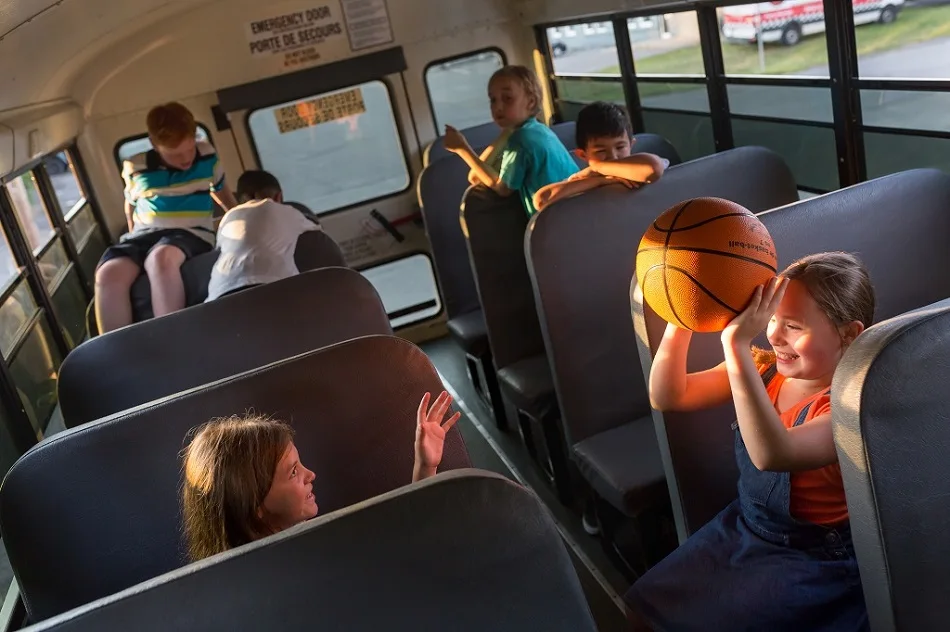
Organizing a school field trip should be an exciting opportunity for students, not a challenge for educators. A field trip offers experiential learning and the chance to create lifelong memories. Still, the logistics of ensuring everyone’s safety, comfort, and engagement can quickly add up if not handled with care. From arranging transportation and handling paperwork to communicating with parents and supervising students, the process can seem overwhelming. Fortunately, reliable transportation options, such as charter buses, can help you create a seamless field trip experience. Charter buses, such as those provided by Metropolitan Shuttle, transform the stress of group travel into an enjoyable and manageable experience for both students and organizers. With careful planning, a charter bus makes it easier to keep your group together, accounts for everyone’s safety, and provides a comfortable environment en route to your educational destination. By approaching every stage with a thoughtful checklist, you can deliver a smooth, educational outing with minimal hiccups. Early planning, clear communication, and attention to detail set the foundation for a well-run field trip. This guide outlines the crucial steps to organizing a successful and stress-free school field trip using a charter bus, from choosing the right destination to evaluating what went well after the trip concludes. By following these steps, educators can focus more on teaching moments and less on addressing unexpected challenges, thereby creating a positive experience for everyone involved.
Choose the Right Destination
Every memorable field trip begins with choosing a location that excites and educates your students. Start by identifying destinations that not only align with your school’s educational objectives and curriculum goals but also inspire the curiosity of your students. Museums, science centers, historical landmarks, botanical gardens, and zoos are all popular options, but think creatively–perhaps an outdoor adventure park for lessons in ecology, or a theater for a literature tie-in. Prior site visits can be invaluable—they help you plan activities based on firsthand observations and eliminate surprises on the day of the outing. Walking the venue can reveal logistical considerations, such as wheelchair access, shaded rest areas, and traffic flow. Rely on reviews and recommendations from other schools to evaluate the suitability of your chosen spot, and maintain flexibility to modify the agenda if needed or if the weather unexpectedly changes your plans. Planning with a purpose ensures that students have fun while meeting learning objectives.
Book Your Charter Bus in Advance
Transportation can either be the easiest part of your field trip or a major headache. Charter buses streamline logistics by offering cushioned seats, climate control, and onboard restrooms, helping students arrive refreshed and ready to learn. When you provide reliable transportation, you reduce the chances of late arrivals and minimize the risks associated with multiple vehicle convoys. Booking your bus a month or more ahead guarantees both vehicle availability and ample time to discuss your route and special requirements with the company. Please specify any unique needs, such as wheelchair access, storage for equipment, or multiple pick-up stops. Early reservations also offer a window to secure the best possible rates, especially for trips in peak season. Reviewing a company’s safety ratings and confirming the driver’s credentials provides peace of mind. Don’t forget to verify your departure and return windows to avoid conflicts with school schedules or after-school activities.
Coordinate Permission Slips and Itineraries
Once your destination and bus are confirmed, it’s time to complete the paperwork. Permission slips not only secure legal clearance but also provide space for medical alerts, emergency contacts, and dietary restrictions. Ensure that all forms are returned and reviewed before the trip, and keep digital or paper copies readily available for quick reference. Pair this with a detailed itinerary for parents, students, and chaperones. Your schedule should specify departure/return times, meal breaks, learning activities, and free exploration periods. A well-distributed itinerary empowers everyone involved and supports smoother supervision. Review the plan in a pre-trip meeting to clarify roles and head off confusion. Well-communicated logistics make parents, staff, and students feel comfortable and confident. Disclose all planned stops, address bus rules, and assign group leaders or teacher liaisons to small student clusters. This careful coordination prevents confusion and sets clear expectations for the day. If you’re new to organizing field trips, you can find examples and best practices in guides from reputable education publications. Preparing structured plans and sharing clear information with everyone involved fosters trust, making everyone’s day run more smoothly.
Prepare for Student Safety and Comfort
A comfortable student is a happier, more attentive learner. Equip the bus with hand sanitizer, wipes, extra masks, garbage bags, and a fully stocked first aid kit, anticipating the possibility of minor cuts or illnesses that may occur. Discuss seatbelt usage and behavior guidelines at the trip’s outset to set expectations and prevent distractions during the ride. Many charter buses offer entertainment options, such as Wi-Fi and DVD players, to ease longer journeys and keep students engaged, thereby reducing restlessness and helping pass the time. If traveling with younger children, pack quiet activities such as coloring books or puzzles, snacks, and water to minimize distraction and restlessness. Encourage students to wear comfortable clothes and closed-toe shoes for active itineraries. Designate a specific area on the bus for lost and found items in case personal belongings are forgotten. Such preparations, although simple, can make a significant difference in the students’ overall comfort and ability to enjoy the experience.
Assign Responsible Chaperones
Chaperones are the backbone of an organized field trip. Recruit individuals who are attentive, patient, and familiar with your students, such as teachers or trusted parent volunteers. Assign chaperones to specific bus sections or student groups, and equip them with rosters, emergency protocols, and communication devices if needed. Provide a written list of chronic health issues, allergies, or behavioral plans so chaperones can respond quickly to emergencies. Effective chaperoning not only ensures safety but also enhances the educational environment and encourages positive group dynamics. Hold a short briefing before departure to review expectations and clarify communication plans. When everyone understands their responsibilities and has access to essential resources, the trip runs more smoothly, and issues can be addressed promptly.
Plan for Meals and Breaks
Field trips often span several hours, so regular nourishment is vital. Decide in advance whether to provide packed lunches or if students will bring their own food from home, and clearly communicate any allergy-friendly food policies. Mark eating areas and meal times in your itinerary so everyone knows when and where to eat. If possible, coordinate with your destination for group lunches or snacks—some sites offer price breaks for student groups. Take time to manage food allergies, dietary restrictions, and ensure water is always accessible throughout the day. Scheduled bathroom breaks—at logical points in the journey—will help students stay comfortable and prevent challenges during the trip. Encourage students to clean up their eating spaces and dispose of trash properly, both on the bus and at the destination, to teach responsibility and help maintain a pleasant environment for all.
Communicate with Parents and Stakeholders
Open communication fosters trust and cooperation among all individuals involved in the field trip. Before departure, send emails or printed packets to parents with the itinerary, packing list, emergency contact numbers, and any other pertinent information so that families know what to expect. Keep school administrators informed for risk management and support, providing them with schedules, destinations, and chaperone lists. Consider using messaging apps or group texts to notify families of safe departures, arrivals, and unforeseen delays, ensuring everyone remains informed throughout the day. Clear, proactive communication can help alleviate anxiety for parents and enable you to manage unforeseen events more effectively. For tips on communicating field trip plans, see guidance from the National PTA. After the trip, thank parents and chaperones for their support and invite them to provide any helpful feedback.
Conduct a Post-Trip Evaluation
A thoughtful review after your field trip not only highlights successes but also pinpoints aspects for improvement. Gather feedback from chaperones, students, and parents regarding transportation comfort, activity value, and overall organization. Use informal surveys or brief meetings to collect insights, noting anything that worked exceptionally well or could be improved for next time. This process supports continued learning and sets the groundwork for future, even more successful, student excursions. Conduct a brief debriefing with staff to discuss recommendations for future trips, maintaining records of lessons learned.
With detailed preparation and the right partners, such as a trusted charter bus company, your next school field trip can be both educational and stress-free. Attending closely to planning, communication, and student welfare paves the way for rewarding experiences that extend beyond the classroom. By embracing these essential tips and leveraging reliable transportation, educators can create safe, memorable, and inspiring field trips for students of all ages.


