



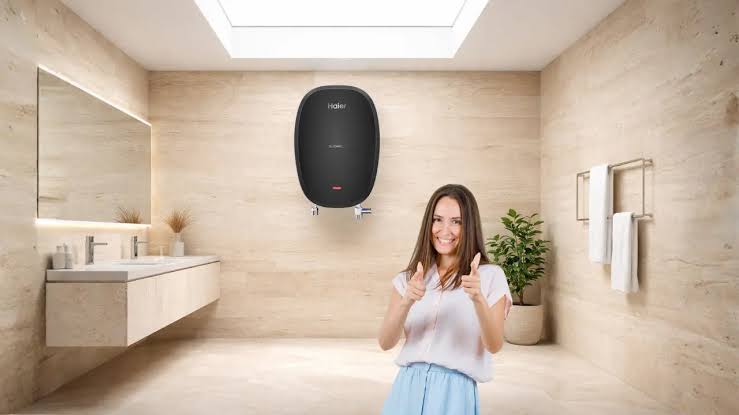
A bathroom renovation often focuses on visible upgrades such as modern tiles, stylish fittings, improved lighting and better storage. However, one important element that is often overlooked is the geyser. Since it plays a key role in your daily comfort, renovating your bathroom can be the ideal time to assess whether your existing water heater still meets your household’s needs.
Upgrading your geyser during a renovation can help you create a more practical bathroom layout while ensuring a reliable hot water supply for years to come.
Why Consider a Geyser Upgrade During Renovation?
Once a bathroom renovation is complete, replacing a geyser can become more complicated. It may require additional plumbing work, wall drilling, electrical modifications or adjustments to the newly finished design. By planning the upgrade alongside the renovation, you can integrate the installation seamlessly into the overall project.
This also allows you to choose the most suitable location for the water heater, optimise pipe routing and ensure the electrical connections are planned correctly from the start. The result is a cleaner, more organised bathroom with fewer disruptions later.
Has Your Existing Geyser Outgrown Your Needs?
Many homeowners continue using the same geyser for years without considering whether it still suits their lifestyle. However, household requirements often change over time.
If your family has grown, your hot water consumption may have increased significantly. A water heater that once comfortably served two people may struggle to meet the demands of a larger household. Renovation is the perfect opportunity to evaluate whether your current capacity is still adequate.
You may also want to explore newer models that offer features designed for modern homes, helping improve convenience and overall user experience.
Signs It May Be Time for a Replacement
If you are unsure whether your current geyser should be replaced, look out for these common indicators:
- Frequent breakdowns and repairs: Regular servicing and recurring issues can become both inconvenient and costly.
- Inconsistent water heating: If the water takes longer to heat or temperatures fluctuate unexpectedly, your geyser may no longer be performing efficiently.
- Visible rust or corrosion: Signs of rust around the tank, pipes or fittings can indicate ageing components.
- Water leakage: Any leakage from the tank or surrounding connections should be addressed promptly.
- Ageing appliance: Older geysers may lack the capacity, technology and features available in newer models.
If your existing unit shows one or more of these signs, upgrading during renovation can be a sensible long-term decision.
Choosing the Right Geyser for Your New Bathroom
A bathroom renovation allows you to select a geyser based on your current requirements rather than simply replacing your old model with a similar one.
Start by considering the number of family members who use hot water regularly and your typical usage patterns. Choosing the right capacity is essential for ensuring a consistent supply of hot water during busy mornings and evenings.
You should also factor in available wall space, installation requirements and the overall bathroom layout. Coordinating the geyser placement with the renovation design can help maximise space utilisation while maintaining a neat appearance.
Additionally, consider features that support safety, durability and long-term reliability, especially if you are investing in a complete bathroom makeover.
Conclusion
A bathroom renovation is about more than aesthetics. It is an opportunity to improve the functionality and comfort of one of the most frequently used spaces in your home. Upgrading an ageing geyser during the renovation process can help avoid future disruptions while ensuring your bathroom is equipped to meet your household’s hot water needs.
Before finalising your renovation plans, take the time to evaluate your existing water heater, compare available options and choose a solution that complements both your lifestyle and your newly renovated bathroom.


