



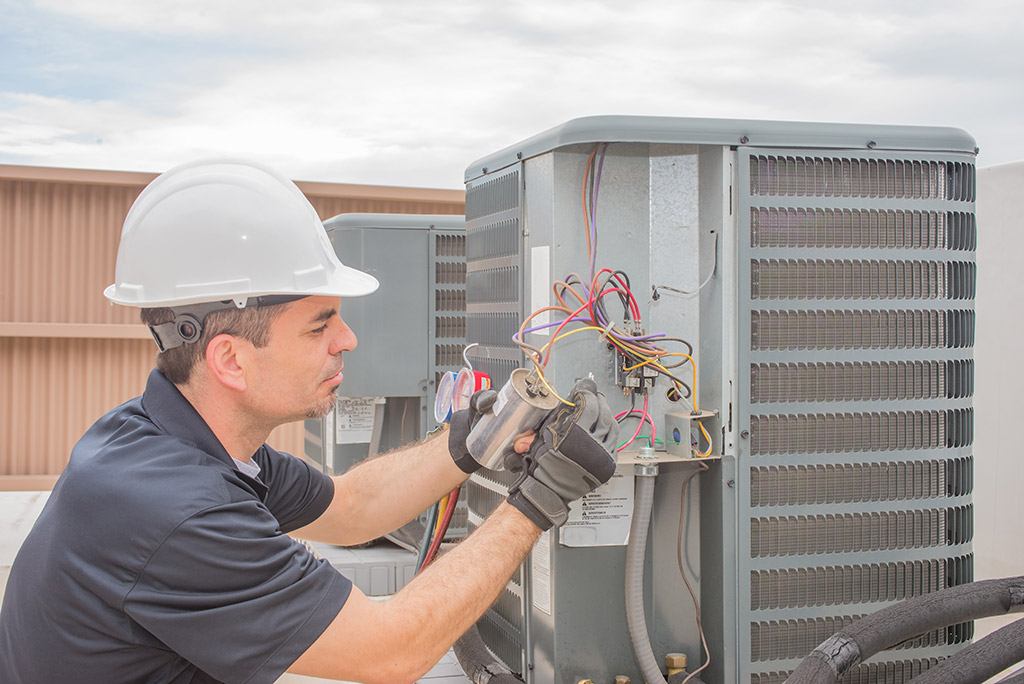
HVAC professionals must adhere to strict state licensing requirements at the apprentice, journeyman, and master levels. They also have to obtain liability and worker’s compensation insurance.
Professionals are trained to take accurate measurements and select appropriately sized equipment to maximize efficiency. They also install systems according to manufacturer specifications and properly seal ductwork.
Safety
It’s essential to wear gloves, safety goggles, and a long-sleeved shirt whenever you work on HVAC equipment. If mishandled, electrical components, gas lines, and chemicals pose serious health risks. Professionals know how to use tools properly, avoid dangerous situations, and follow all applicable safety guidelines.
Delaware licenses HVAC professionals just as it does plumbers and electricians through its Division of Professional Regulation and Board of Plumbing, Heating, Ventilation, Air Conditioning, and Refrigeration Examiners. The Board oversees licensure at the apprentice, journeyman, and master levels for heating, ventilating, air conditioning, refrigeration mechanics, and installers.
Delaware HVAC contractors must get a sales tax license, obtain workers’ compensation insurance (if they have employees), and register with the state. Some of the local governments require HVAC companies to be licensed as well. Some also have zoning requirements that contractors must adhere to.
Efficiency
Professional HVAC technicians spend time ensuring the equipment is correctly sized to your home, which helps reduce future service costs and increases energy efficiency. They also take the time to double-check everything from blower mounts to pipe connections and wiring.
They are trained to spot minor problems that can easily be corrected during a maintenance visit. It prevents these problems from developing into major issues requiring an expensive replacement.
Several vocational-technical schools offer an apprenticeship program for heating, ventilating, and air conditioning mechanics and installers. These programs usually cost no more than a regular high school tuition, and students work while they learn. Those who complete an apprenticeship can apply to become a journeyperson. The Board of Plumbing, Heating, Ventilation, Air Conditioning, and Refrigeration Examiners licenses master contractors in the state.
Convenience
Today’s advanced HVAC systems deliver maximum heating and cooling efficiency when correctly installed. Attempting to cut costs by hiring an unlicensed contractor can result in higher expenses for repairs, energy usage, and potential harm to your home.
Delaware licenses HVAC professionals at the apprentice, journeyman, and master levels through the Division of Professional Regulation Board of Plumbing, Heating, Ventilation, Air Conditioning, and Refrigeration Examiners. HVAC technicians who want to work as contractors must also register and obtain a business license through the One Stop Business Registration and Licensing service.
Achieving an HVACR career requires significant training and experience. High school students interested in this career can begin free training at the vocational-technical schools in their counties through the Career Technical Education System. The state also offers apprenticeships through private employers and trade organizations. Apprenticeships typically last four or five years and provide classroom instruction, on-the-job training, and pay that increases as the trainee advances toward journeyperson status.
Value
Hiring a licensed HVAC contractor is essential to avoid costly mistakes and repairs. They typically have the proper training and experience to handle any repair or replacement job efficiently and quickly. They can also recommend the best product for your home or business.
It takes a significant amount of time to become an HVAC professional. Apprentice programs require four to five years of on-the-job training and classroom instruction. Then, to earn your journeyman certificate, you must work under a master’s license for two years. Then, you must pass a master’s level exam. The Division of Professional Regulation oversees licensing heating, ventilation, air conditioning, and refrigeration professionals.
You can verify your contractor’s credentials online on the Board of Plumbing, Heating, Ventilation, Air Conditioning and Refrigeration Examiners website.


