



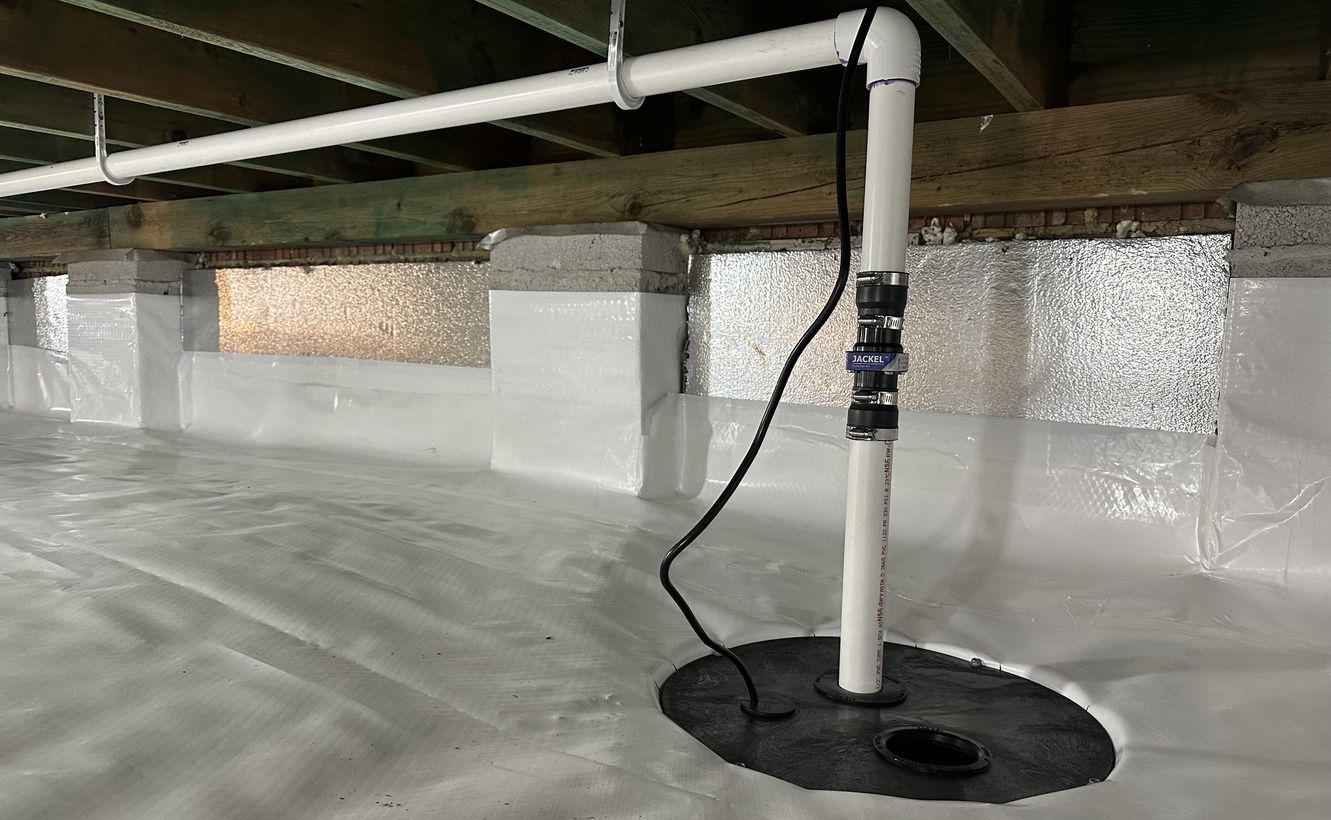
Your sump pump is one of the most important appliances in your home, working hard behind the scenes to keep your basement or crawlspace dry. But like any piece of equipment, sump pumps can develop problems over time that require repairs. This guide will walk you through the different types of sump pump repairs you may encounter, so you know what to watch out for.
Check the Power Supply
You might take it for granted that your sump pump has consistent power, but failures in the power supply are a common cause of sump pump problems. Issues like a tripped breaker, damaged cord, blown fuse, or power outage can prevent your pump from turning on even when water levels rise. Make sure to routinely check that the outlet powering your sump pump has electricity flowing to it. Replace any damaged power cords right away before they cause shorts or fires.
Clear Clogs and Debris
Over time, small debris like silt, pieces of gravel, or dust can accumulate at the bottom of your sump pit and clog up the pump intake. Larger items like rocks or children’s toys can also end up in the basin and get sucked into the pump, blocking the impeller. Regularly checking and cleaning out your sump pit prevents performance issues before they happen. Just be sure to unplug the pump before attempting any debris removal.
Repair the Check Valve
The check valve on your pump discharge pipe acts as a one-way gate, preventing water from flowing back into the sump pit after being pumped outside your home. If this valve gets stuck open or begins leaking, water will drain back down and your pump will turn on more frequently to keep up. Listen for the valve clicking open and shut with each pump cycle. Replace any check valve that doesn’t fully close or drips water between cycles.
Inspect the Float Switch
A float switch activates the pump once water in your sump pit reaches a preset level. Over time, dirt, mineral deposits, and sump pit debris can get stuck on the switch, weighing it down, so it doesn’t rise properly with the water. This prevents the pump from turning on until levels get dangerously high. Carefully remove built-up gunk from float switches and ensure they still move up and down freely. Replace any float showing signs of damage or cracking.
Replace a Faulty Level Switch
Newer sump pump models often use vertical level switches in place of traditional float designs. These solid-state switches electronically detect water at different heights in the basin and trigger the pump. While very reliable, they can fail over time. Check for error codes or warning lights on pumps with vertical switches. Confirm the level switch still detects varying water levels by triggering it with your hand at different heights. Replace any faulty level switch right away.
Attend to Mechanical Issues
With all their moving parts, sump pumps will inevitably experience some mechanical wear and tear. Issues like leaking seals, eroded impeller vanes, cracked housings, stuck bearings, bent shafts, or noisy motors often require professional repairs or full pump replacement. Catching problems early reduces more serious damage. If your pump is over 5 years old, stays running constantly, or sounds strained, have a technician inspect it for maintenance needs or signs of impending breakdowns.
Your home depends on a properly functioning sump pump to keep your basement or crawlspace dry year-round. While sump pumps are generally reliable, they can develop common issues like clogs, stuck floats, worn check valves, or failing switches over time. Catching small sump pump repairs early saves you money and prevents water damage down the road. Knowing the typical maintenance your sump pump requires lets you address problems proactively. With a little help from a professional repair technician, you can keep your sump system running smoothly through all of life’s ups and downs,


