



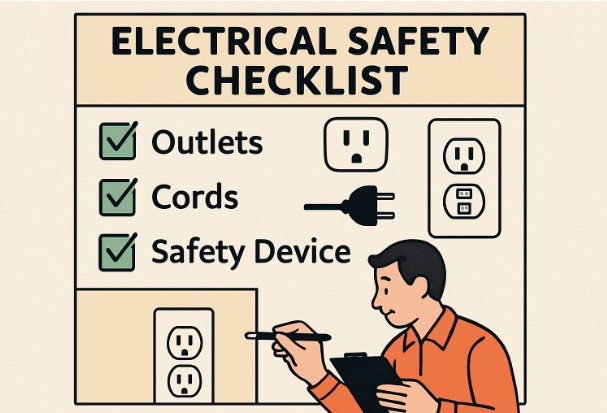
Electrical safety is one of the most critical aspects of home maintenance, yet it is often overlooked until a problem arises. Practicing safe habits, staying informed about risks, and getting help when needed can significantly reduce the chance of electrical accidents in your household. If you notice potential concerns, do not hesitate to consult an experienced electrician in Sun City who can identify and address hidden hazards. Preventing issues before they start will help keep your family safe and protect your property.
Whether you are living in an older residence or a newly built home, taking steps to maintain electrical safety is a wise investment in your home’s overall well-being. Simple, routine checks and adherence to recommended safety guidelines can extend the lifespan of your electrical equipment and prevent dangerous incidents. By also educating everyone in your home about proper use and the warning signs of electrical problems, you build a reliable safety net around your most important asset.
As you begin to enhance your home’s electrical safety, remember that some upgrades and inspections are best left to trained professionals. Regular maintenance, combined with the right devices, creates safer spaces and provides peace of mind for daily routines and emergencies alike.
For larger upgrades or compliance concerns, it is always wise to contact a certified electrician to ensure quality work that meets local standards. Their expertise helps you avoid common pitfalls and long-term risks.
Regular Inspections and Maintenance
Routine inspections are among the best preventive measures against electrical fires and other hazards. Homeowners should check for frayed wires, warm or discolored outlets, flickering lights, or unusual buzzing sounds from electrical panels or appliances. These signs can indicate underlying problems that need quick attention. According to the National Fire Protection Association, electrical malfunctions are a leading cause of home fires, but most of these incidents are preventable through periodic checks and prompt repairs.
Testing ground-fault circuit interrupter (GFCI) outlets monthly is an easy step that pays off with reliable protection, especially in kitchens, bathrooms, and laundry rooms. If a circuit regularly trips or outlets spark when devices are plugged in, it is time to have the system checked by a qualified professional.
Installing Safety Devices
Proper safety devices form the first line of defense against electrical emergencies. GFCIs are required by modern building codes for outlets near water sources. They reduce the risk of severe shock by shutting off power within milliseconds when an imbalance is detected. In addition to installing GFCIs in key areas, surge protectors should be used to shield electronics and appliances from sudden voltage spikes. These surges often occur during storms or when power returns after an outage and can cause significant damage or data loss.
Safe Use of Appliances and Cords
Appliance misuse is a common but easily preventable risk. Always unplug devices when not in use to minimize wear and tear and reduce phantom power draw. Many kitchen appliances, televisions, and computers continue to use energy and generate heat even when turned off, which can degrade internal components over time. Never force cords into outlets or use damaged plugs, and avoid running extension cords beneath rugs or heavy furniture, as these practices can lead to overheating or shorts. Check Consumer Reports’ cord safety guidelines for more tips.
Avoiding Overloaded Circuits
Cramming too many plugs into a single outlet stresses your electrical system and may result in tripped breakers or dangerous overheating. If you routinely use power strips or multi-outlet adapters, consider consulting a professional to add more circuits or receptacles to distribute the electrical load safely. Installing strips with built-in circuit breakers adds a basic yet effective layer of safety. Proper planning and load balancing not only prevent nuisance outages but also reduce fire risk.
Keeping Electrical Devices Away from Water
Water is a powerful conductor of electricity, so all electrical items must be kept dry and away from sinks, tubs, and outdoor puddles. Never use power tools or extension cords in wet areas, and check that light fixtures and holiday decorations are rated for outdoor or damp environments if installed outside. Even a small amount of water exposure can corrode wiring, short-circuit devices, and lead to shocks or fires. Avoid threading electrical cords through window or door seams, as repeated pinching can fracture the cord’s insulation, exposing live wires and increasing the risk of an accident.
Upgrading Outdated Electrical Systems
Older electrical panels and outmoded wiring are not designed to handle the increasing loads of modern homes filled with computers, big-screen TVs, and smart appliances. If your home is more than 30 years old, upgrading the system not only improves safety but also accommodates future technology needs. Whole-home surge protectors installed at your main panel can mitigate damage from lightning or power surges. For an added layer of protection, consider integrating smart-home fault detectors or breakers that alert homeowners before problems escalate. Older homes, in particular, require vigilance and may benefit from rewiring projects that bring systems up to current standards.
Educating Family Members
Awareness is key to long-term electrical safety. Teach children about the dangers of inserting objects into outlets and urge them to report buzzing or hot outlets immediately. Make sure every family member knows how to safely reset a breaker without risking a shock and instruct them never to touch exposed wires. Regular family reminders about these basic rules help establish lasting safe habits and prevent avoidable accidents.
Seeking Professional Assistance
When in doubt, always reach out to a licensed electrician for inspections, upgrades, or troubleshooting. Attempting DIY repairs on electrical systems beyond basic light fixture swaps can create serious risks and may violate local codes. An annual checkup by a certified professional ensures your system performs reliably and safely, giving you peace of mind. Trained electricians can offer preventative recommendations tailored to your specific home and family needs.
Taking proactive steps, investing in quality upgrades, and maintaining open communication with experienced professionals keep your home’s electrical system in top shape. Make electrical safety a priority, and your home will be safer, more efficient, and more comfortable for everyone inside.


