



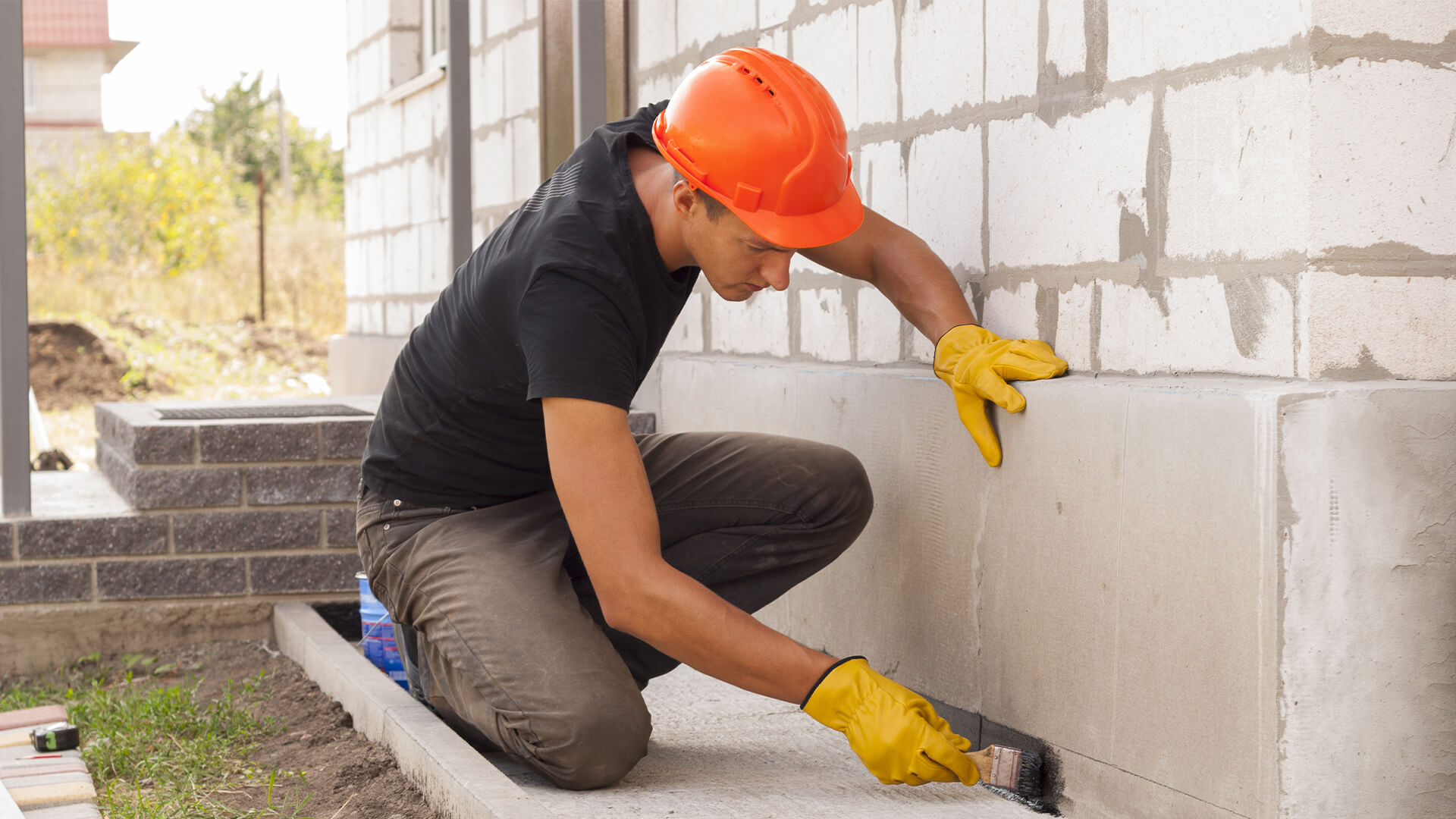
Residences can sustain significant water-related damage between winter blizzards and heavy summer storms. Basement waterproofing is a crucial preventative measure that safeguards a home’s structural integrity and overall value.
Unlike foundation tar, an exterior sealer can block moisture and standing water from reaching porous concrete or cinderblock walls. It also reduces moisture to combat mold growth and prevents costly problems like flooding.
French Drains
Water damage can cause problems in your home, including mold growth, structural vulnerabilities, and general moisture issues. Basement waterproofing acts as a barrier against moisture intrusion and helps shield your house from the possibility of these problems.
French drains are a great way to prevent foundation leaks in your home. They are a slightly sloped trench filled with round gravel and topped off with a perforated pipe that diverts water from your home. The pipe is usually made of plastic, though it can also be built with corrugated or PVC pipe. The drainage system can be installed either inside or outside of your home, depending on the condition of your soil.
The idea behind a French drain is that water flows downhill and finds the most accessible route around your home’s foundation. When sitting water reaches your foundation walls, it creates hydrostatic pressure that can eventually lead to a crack in your foundation or wall. By introducing an alternate path for the water, French drains reduce this pressure and prevent your basement from flooding.
It’s important to note that a DIY project for installing a French drain is only for some, and you’ll need some experience with home repairs and landscaping before attempting this yourself. Also, before you start digging, be sure to call the local utility service and have your property marked before beginning a project to ensure that you don’t accidentally strike an underground power or gas line.
Interior Waterproofing
When waterproofing your basement, you create a barrier that prevents groundwater from the porous concrete and cinder block walls. It eliminates hydrostatic pressure and reduces the risk of leaks, flooding, mold mildew growth, and structural damage.
The interior waterproofing process involves digging a trench and installing drain tiles. These are surrounded by gravel and direct water to a sump pump. The sump pump then pumps the water outside and away from your home, eliminating the pressure on the foundation that could lead to cracks and leaks.
New Jersey basement waterproofing contractors use a special coating to seal and protect the inside of your basement walls. It’s thicker than wall paint and can be brushed, rolled, or sprayed. It’s much more expensive than standard paint, however.
It is a long-term fix that can spare you from paying for pricey restoration and repairs. Waterproofing your basement as soon as possible is critical to prevent more damage. If issues are ignored, mold and mildew will grow out of control and pose a significant health risk to you and your family.
Sump Pumps
The wet summer that many parts of New Jersey have experienced can wreak havoc on the foundation and walls of your home, leading to basement flooding and other issues. That is why waterproofing your home’s basement and exterior is so important. Waterproofing helps to erect a barrier that prevents groundwater and stormwater from entering the base of your foundation, reducing the likelihood of basement flooding and other issues such as wood rot and mold growth.
One of the most common solutions to preventing wet basements is installing a sump pump. A sump pump is a pit dug into the lowest part of your property and equipped with a switch and float that activates when water levels rise. It then pumps the water into a drain pipe away from your house’s foundation.
For your property, your sump pump needs to have the appropriate size. A pump that’s too small may fail to function correctly, while a pump that is too large will have to work harder and can cause problems such as cavitation.
An excellent way to ensure that your home’s sump pump is sized correctly is to have a professional plumber install it. They will consider factors such as the head (the height that your pump can lift water), discharge lines, and more. Additionally, they will install a battery backup system to ensure your sump pump keeps running during a power outage.
Mold Removal
Mold is a contaminant that can harm a homeowner’s property and negatively impact the inhabitants’ health. It’s essential to identify and respond to any signs of mold growth in the basement early on before it has time to develop into severe contamination. Early warning indicators include damp spots, musty odors, and respiratory symptoms such as a stuffy nose, itchy eyes, or difficulty breathing. If a homeowner notices their basement has heavy mold growth, contacting a professional for basement mold remediation is a good idea.
All that mold needs to grow in a basement is oxygen, organic matter, and moisture. The moisture can come from leaking plumbing, water infiltration through foundation cracks, humidity, and more. Once mold grows, it can eat away at the building materials in a basement and cause further damage to the home.
Effective moisture control and routine maintenance can help prevent a basement mold problem. It’s a good idea to check the basement ceiling regularly for leaks from levels above, check HVAC systems for leaks and condensation, and cap plumbing components for signs of damage or a potential leak. In addition to fixing leaks right away before they worsen, it’s a good idea to schedule regular time to check the basement walls from the outside and the interior for any indications of possible leaks or water damage.


