



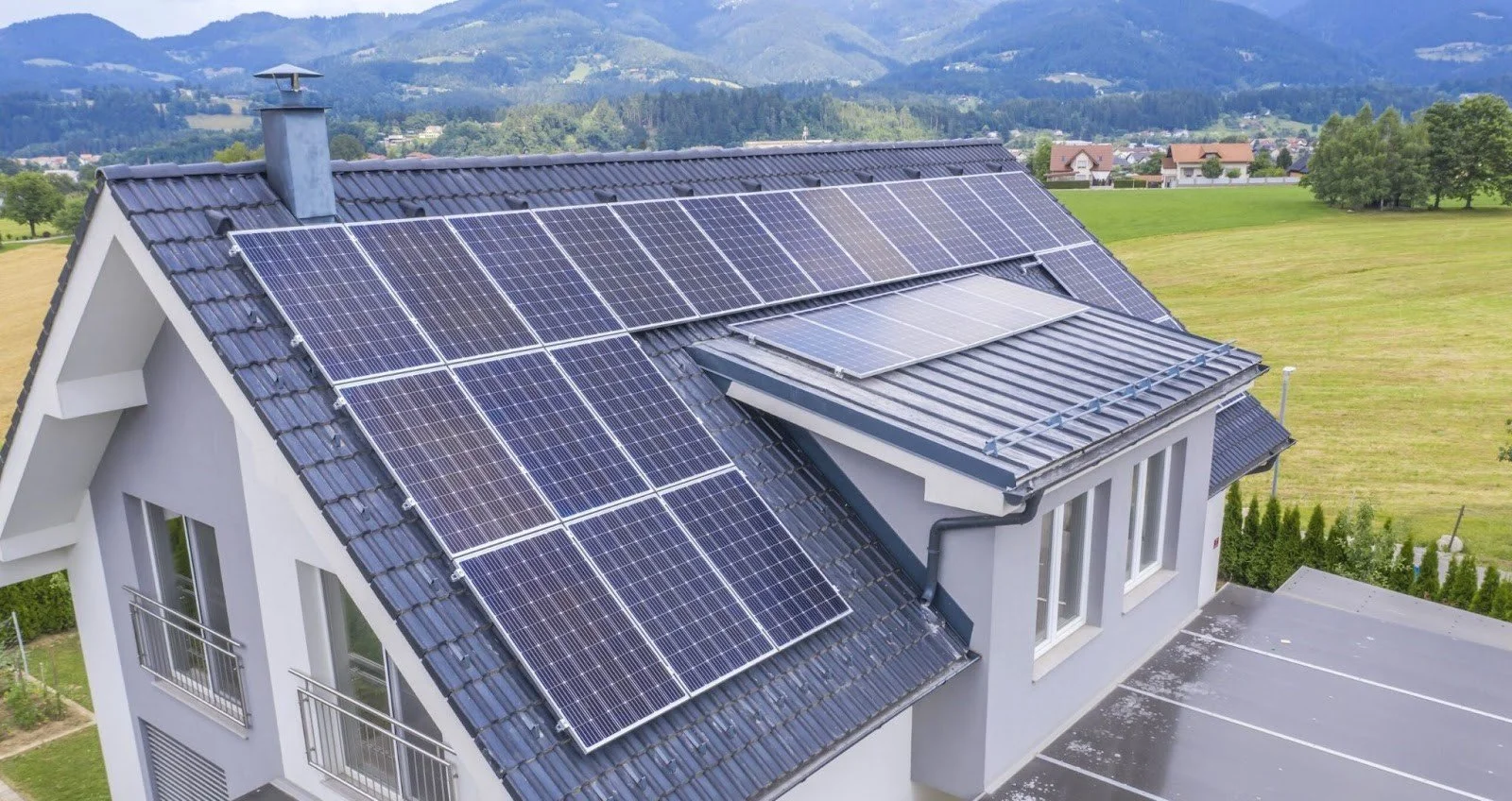
Solar energy systems are a popular and environmentally friendly way to power homes and businesses in New Jersey. However, many homeowners are surprised to learn that one of the most common issues affecting their solar panel performance has nothing to do with the panels themselves — but rather, with something small, furry, and persistent: rodents and other critters.
Chewed wires have become a frequent and costly problem in solar panel systems across NJ. In this article, we’ll explore why this happens, what signs to watch for, and most importantly, how to prevent and repair wire damage to protect your investment.
Why Are Chewed Solar Wires Such a Big Problem in NJ?
New Jersey’s blend of suburban and wooded areas provides an ideal environment for wildlife — especially squirrels, raccoons, birds, and mice. These animals are naturally curious and often seek shelter in rooftops or under solar arrays, especially during colder months. Once they find a cozy spot beneath your solar panels, chewing on wires can quickly follow.
Here’s why this happens:
1. Warmth and Shelter
The space beneath solar panels creates a shaded, slightly warmer environment — ideal for nesting. Animals like squirrels often take refuge there to escape harsh weather or predators.
2. Teeth Maintenance
Rodents have teeth that never stop growing, so they instinctively chew to keep them from becoming too long. Unfortunately, solar wires are often an easy target, especially if the wiring is exposed or unsecured.
3. Poor Installation or Lack of Protection
Not all solar installations come with protective barriers like critter guards or mesh. Systems without these defenses are far more vulnerable to wire damage.
What Happens When Wires Get Chewed?
Even minor wire damage can significantly impact your solar system’s performance. Here’s what you might notice:
- System Underperformance: A drop in energy output or efficiency.
- Intermittent Power Issues: Flickering or inconsistent energy production.
- Error Codes or Alerts: Your monitoring system may flag issues caused by broken connections.
- Electrical Hazards: Damaged wires can lead to short circuits, arcing, or even fires if left unchecked.
How to Tell if You Have Chewed Solar Wires
Because the damage is often hidden beneath panels, the signs aren’t always visible from the ground. However, here are a few ways to tell:
- Unusual System Reports: If your solar monitoring app shows a sudden drop in performance, it may indicate wiring issues.
- Visible Nesting Material: Leaves or debris sticking out from beneath panels could signal animal activity.
- Pest Sightings: Seeing squirrels or birds frequently near your roof or panels may mean they’ve taken up residence.
- Professional Inspection Results: A solar technician or electrician can visually confirm wire damage during a routine inspection.
How to Fix Chewed Wires in NJ Solar Systems
If you suspect or confirm chewed wiring, it’s important to act quickly. Delaying repairs can lead to greater damage, system shutdown, or even voided warranties.
1. Hire a Licensed Solar Electrician
Repairing solar wiring is not a DIY job. A licensed NJ electrician experienced in solar panel wire repair NJ can safely diagnose and repair the damage without compromising your system.
2. Replace or Splice Damaged Wires
Depending on the extent of the damage, your technician will either splice the wires or replace the affected sections completely. In some cases, entire connectors or harnesses may need to be swapped out.
3. Install Critter Guards or Mesh Barriers
Once repairs are made, adding protective mesh around your panels is one of the best ways to prevent future damage. Critter guards create a physical barrier to keep animals from nesting under your array.
4. Schedule Regular Inspections
Annual maintenance or post-winter inspections can catch minor issues before they become major problems. Consider adding solar maintenance to your spring or fall home checklist.
Preventing Chewed Wire Damage Moving Forward
Taking a proactive approach can save you thousands in future repairs. Here are a few tips to keep your solar system safe from animal interference:
- Install Critter Guards During Installation: If you’re getting a new system, ask your installer to include rodent protection from the start.
- Trim Nearby Trees: Branches that hang over or touch your roof act as bridges for squirrels and raccoons.
- Check for Gaps: Make sure there are no easy entry points under your solar panels.
- Monitor Performance Data Regularly: Stay alert to dips in power output, especially during nesting seasons (late winter through spring).
Final Thoughts
Chewed wires are a surprisingly common issue for solar panel owners in New Jersey, but the good news is: they’re preventable and fixable. By understanding the risks and knowing what to look for, you can take action before small problems become big headaches.
If you’re dealing with critter damage and need fast, professional chewed wire repair NJ services, don’t wait — call a local expert to restore your system’s safety and performance.


